

Electric vehicles are not just for tech enthusiasts and eco-warriors anymore; they’re taking the world by storm, one silent ride at a time. Picture this: gliding down the street without the roar of an engine, feeling like you’re in a sci-fi movie. But what’s the magic behind these futuristic machines?
Overview of Electric Vehicles
Electric vehicles (EVs) utilize electric motors for propulsion, relying on energy stored in batteries instead of conventional fuel. This technology facilitates clean driving with reduced emissions. EVs consist of several key components: the battery pack, electric motor, controller, and regenerative braking system.
The battery pack, often lithium-ion, stores electrical energy in multiple cells. It provides power to the motor, influencing the vehicle’s range and performance. Most EVs feature a charging system that connects to standard outlets or dedicated EV chargers, enabling flexibility in recharging.
Electric motors operate differently than internal combustion engines. They deliver instant torque, which translates to quick acceleration and smooth driving experiences. Their efficiency often exceeds 90%, compared to 20-30% for gasoline engines, enhancing energy usage.
Regenerative braking systems recapture energy during braking, sending it back to the battery. This process extends the vehicle’s driving range and improves overall efficiency. Several manufacturers integrate user-friendly displays that show real-time data on battery levels, energy consumption, and charging status.
The appeal of EVs extends beyond technology. Many modern electric vehicles now offer features like advanced driver-assistance systems, connectivity options, and sustainable materials. Moreover, government incentives in various regions encourage EV adoption by providing tax credits and rebates.
The overall market for electric vehicles is expanding rapidly as manufacturers introduce new models. A diverse selection is available, ranging from compact cars to SUVs. This trend reflects the growing emphasis on sustainability and innovation in the automotive industry.
Key Components of Electric Vehicles
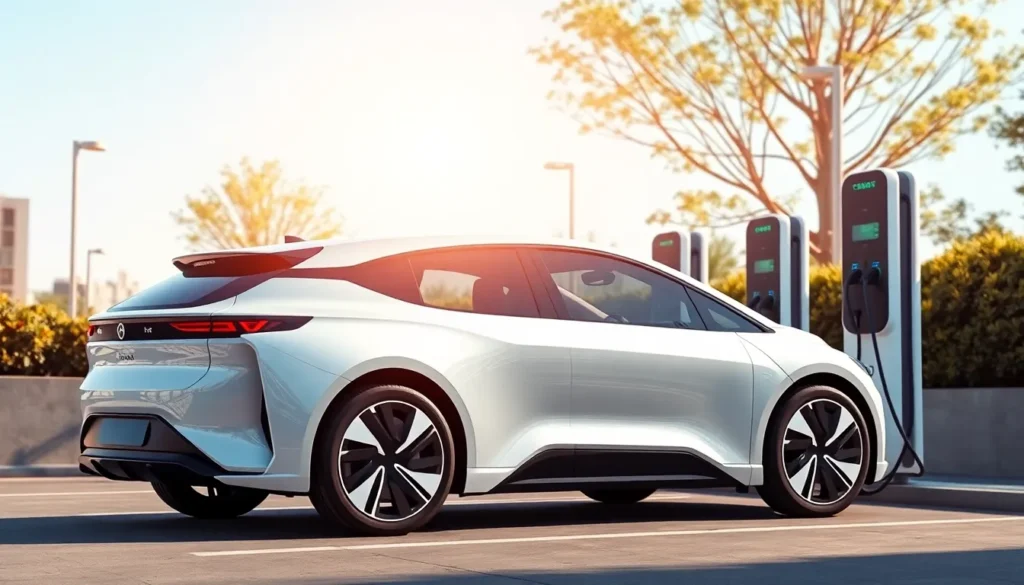
Electric vehicles rely on several critical components that work together to provide a seamless driving experience. Understanding these components clarifies how EVs operate.
Electric Motor
Electric motors serve as the heart of EV propulsion. These motors convert electrical energy drawn from the battery into mechanical energy. Instant torque is one of their notable features, allowing for rapid acceleration. Efficiency defines electric motors, often exceeding traditional internal combustion engines. Common types include brushless DC and AC induction motors, each offering unique advantages regarding performance and design.
Battery System
The battery system functions as the energy source for electric vehicles. Typically, lithium-ion batteries provide the necessary energy, affecting both range and performance. Capacity measured in kilowatt-hours determines how far an EV can travel on a single charge. Battery management systems optimize charging and discharging to enhance longevity. Innovations in battery technology continue to improve energy density, charging speed, and overall lifespan.
Charging System
Charging systems enable electric vehicles to recharge their batteries efficiently. Various charging options exist, including Level 1, Level 2, and DC fast charging, each with distinct power delivery speeds. Level 1 uses standard home outlets, while Level 2 and DC fast charging provide quicker replenishment at dedicated stations. Smart charging features allow users to schedule charging times and monitor energy usage through apps. Enhanced infrastructure and government initiatives facilitate the expansion of charging networks, making EV ownership increasingly convenient.
How Electric Vehicles Operate
Electric vehicles function through efficient energy conversion and innovative features like regenerative braking. These elements work together to provide a sustainable driving experience.
Energy Conversion
Electric vehicles convert stored electrical energy into mechanical energy to power the wheels. The electric motor serves as the core component, transforming electricity from the battery into movement. Lithium-ion batteries predominantly supply electricity, making advancements in battery technology essential for optimizing range and performance. Charging systems play a vital role in this process, offering multiple options such as Level 1, Level 2, and DC fast charging. These systems enable quick replenishment of battery power. As technology evolves, developments in energy density and battery lifespan enhance overall efficiency and usability, solidifying the electric vehicle’s role in a sustainable future.
Regenerative Braking
Regenerative braking captures energy typically lost during braking, making it a crucial feature of electric vehicles. This system converts kinetic energy back into electrical energy, which then recharges the battery. When the driver applies the brakes, the electric motor acts as a generator, enhancing overall energy efficiency. This process not only extends the vehicle’s range but also minimizes wear on traditional brake components. Many models feature adjustable regenerative braking settings, allowing drivers to customize their driving experience. By utilizing this technology, electric vehicles reduce overall energy consumption and contribute to a greener environment.
Types of Electric Vehicles
Electric vehicles come in several varieties, each designed to meet different consumer needs. Understanding the distinctions among these types helps in making informed choices.
Battery Electric Vehicles (BEVs)
Battery Electric Vehicles operate solely on electricity. These vehicles use rechargeable lithium-ion batteries, providing significant driving ranges, often exceeding 200 miles on a single charge. Features include zero tailpipe emissions, which contribute to cleaner air quality. Charging options range from home chargers to fast-charging stations found across urban areas. Examples of popular BEVs include the Tesla Model 3 and the Nissan Leaf. Owners experience efficient energy use as regenerative braking captures energy during stops, enhancing overall performance.
Plug-in Hybrid Electric Vehicles (PHEVs)
Plug-in Hybrid Electric Vehicles combine electric and gasoline power. They feature both an electric motor and a traditional internal combustion engine, allowing flexible fuel options. PHEVs operate on electric power for shorter trips, typically around 20 to 50 miles, before switching to gasoline. This dual functionality ensures drivers can manage longer journeys without range anxiety. Popular models include the Toyota Prius Prime and the Ford Escape PHEV. Owners access the benefits of reduced emissions while retaining the convenience of conventional refueling.
Benefits of Electric Vehicles
Electric vehicles offer numerous advantages over traditional gasoline-powered cars. Significant environmental benefits come with reduced greenhouse gas emissions, improving air quality in urban areas. Fleet emissions decrease when more people adopt electric vehicles, making a substantial impact on public health.
Cost savings on fuel and maintenance underscore another key benefit. Charging an EV typically costs less than refueling a gasoline vehicle, saving owners money over time. Maintenance expenses drop due to fewer moving parts in electric motors compared to internal combustion engines, leading to lower repair costs.
Performance advantages enhance the driving experience. Instant torque from electric motors enables rapid acceleration, giving drivers a responsive feel while driving. Additionally, regenerative braking systems extend vehicle range and minimize wear on brake components, contributing to long-term performance.
Energy independence represents another significant benefit. Relying on electricity instead of gasoline reduces vulnerability to fluctuating fuel prices. Using renewable energy sources for charging supports sustainable practices, further bolstering energy security.
Government incentives often promote electric vehicle adoption, providing financial benefits such as tax credits and rebates. These incentives encourage buyers to consider electric vehicles while accelerating growth in the EV market. Expanding charging infrastructure also enhances convenience for EV owners, addressing concerns regarding access to charging stations.
Lastly, technological advancements in EV features continually enhance user experience and safety. Many electric vehicles come equipped with cutting-edge driver-assistance systems that improve road safety. Connectivity options allow drivers to enjoy a seamless experience, integrating navigation and entertainment features with ease.
Electric vehicles represent a significant shift in the automotive landscape. Their advanced technology and eco-friendly design make them appealing to a broad audience. As battery technology continues to evolve and charging infrastructure expands, the accessibility of EVs will only improve.
The benefits of owning an electric vehicle extend beyond environmental impact, offering cost savings and enhanced performance. With government incentives and a growing variety of models, the transition to electric driving is becoming increasingly feasible for many.
As society moves towards sustainability, electric vehicles are not just a trend but a vital component of a greener future.


