Drones are no longer just for tech-savvy enthusiasts or military operations; they’ve swooped into everyday life, transforming how people capture moments and explore the world. Whether it’s for stunning aerial photography or simply impressing friends at the next barbecue, choosing the right drone can feel like trying to pick the perfect avocado—overwhelming and a bit risky.
Understanding Drone Acquisition Guides
Drones provide various options, making the selection process complex. An acquisition guide helps navigate this landscape by offering structured advice. Key factors to consider include purpose, budget, and specifications. High-quality photography often demands drones equipped with advanced cameras. Aerial mapping requires precision and stability, which can vary among models.
Technical specifications play a crucial role in decision-making. Battery life influences flight time; longer durations increase usability. User experience also matters. Beginners benefit from drones with intuitive controls, while experienced users may prefer advanced features.
Safety and regulations remain essential considerations. Compliance with local laws ensures responsible flying. Researching restrictions before purchasing is important to avoid potential penalties.
After identifying needs, comparing models helps narrow choices. Online reviews provide insights from other users. Manufacturer websites offer detailed information, including warranty and support options.
Accessories can also enhance functionality. Extra batteries extend flight time, while carrying cases protect drones during transport. Additionally, propeller guards offer added safety, especially for novice pilots.
Ultimately, a thorough understanding of drones and their applications leads to informed decisions. By utilizing acquisition guides, individuals can align their preferences with the right drone for specific tasks.
Types of Drones for Acquisition
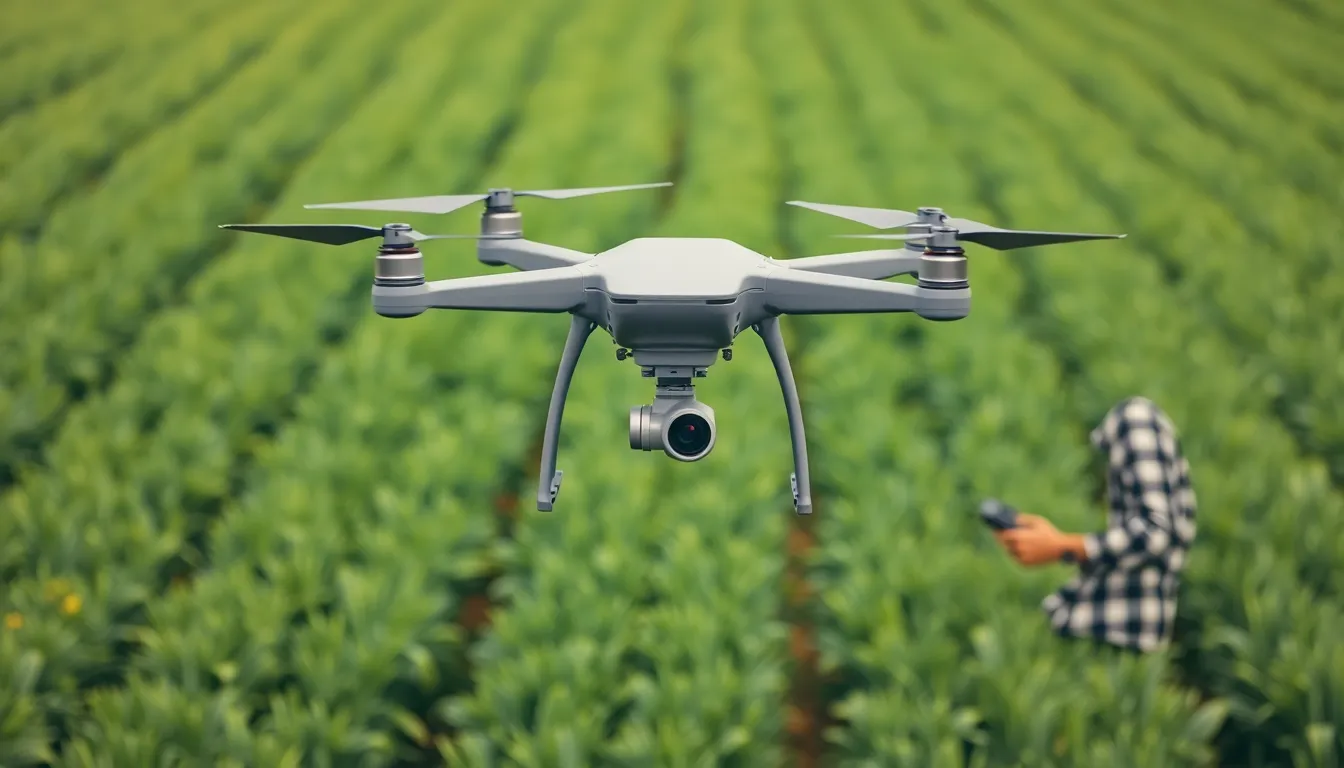
Choosing the right drone involves understanding the various types suited for different purposes.
Commercial Drones
Commercial drones serve specific industries like agriculture, construction, and surveying. These drones often feature advanced capabilities such as high-resolution cameras and enhanced stability. Agricultural applications use drones for crop monitoring and irrigation analysis. Surveying and mapping benefit from drones that provide precise aerial imagery. Many commercial drones come equipped with software for data analysis, making them vital for informed decision-making. Firms often seek drones with longer battery life that support extended missions and ensure productivity. Regulations govern commercial drone usage, so compliance is crucial to avoid legal complications.
Recreational Drones
Recreational drones appeal to hobbyists and casual users. Many individuals enjoy flying drones for fun, photography, or exploration. Common features include user-friendly controls and built-in cameras for capturing photos and videos. Enthusiasts often prefer drones that offer customizable options like different flight modes and accessories. Availability of budget-friendly models allows beginners to easily enter the hobby. Recreational drones typically have shorter battery life, but new models continually improve on this aspect. Safety regulations still apply, so understanding local laws remains important for responsible drone flying.
Key Factors to Consider
Selecting a drone involves careful consideration of various factors. Understanding these elements ensures a well-informed purchase.
Budget and Pricing
Establishing a budget is crucial when buying a drone. Drones fall into several price brackets, catering to different needs and wallets. Entry-level drones typically range from $100 to $500, offering basic features for recreational use. Mid-range options, costing between $500 and $1,500, often present enhanced capabilities like better camera quality and longer battery life. High-end drones, exceeding $1,500, feature advanced technology tailored for professional tasks. Additionally, extra costs can arise from necessary accessories, such as additional batteries and protective gear. Planning ahead prevents overspending and aligns expectations with financial capabilities.
Features and Specifications
Identifying essential features ensures the drone suits its intended purpose. Camera quality often dictates the choice for users focused on photography, with options like 4K resolution available in mid to high-end models. Battery life plays a significant role, with many drones offering flight times ranging from 20 to 40 minutes. Stabilization technology, such as gimbals, contributes to smoother footage, vital for professional use. Intuitive controls provide a better experience for beginners, while more complex features appeal to experienced pilots. Thoroughly reviewing specifications helps match a drone’s capabilities with specific needs, promoting satisfaction with the purchase.
Brand Reputation
Considering brand reputation can influence the decision-making process. Established brands, like DJI and Parrot, often provide reliable products backed by extensive customer support. Reviews and testimonials from existing users help gauge performance and reliability. Reputation reflects not just product quality but also warranty and after-sales service, ensuring peace of mind post-purchase. Many reputable brands frequently update their firmware and provide software improvements, enhancing user experience over time. Researching brand history and customer feedback can significantly aid in choosing a trustworthy drone that meets both expectations and requirements.
Where to Find Reliable Guides
Reliable drone acquisition guides can be found across various platforms. Accessing these resources ensures informed decision-making.
Online Resources
Numerous websites offer structured drone acquisition guides. Trusted names in the tech industry publish comprehensive articles that cover essential factors in selecting a drone. Websites like DJI, DroneDJ, and Tom’s Hardware provide detailed reviews, comparisons, and buyer’s guides. Reviews often highlight user experiences and product specifications, making it easier to discern which models suit specific needs. Additionally, YouTube channels dedicated to drones offer visual demonstrations, helping users gauge performance and features. By utilizing these online resources, individuals can effectively narrow down their options.
Community Forums
Community forums serve as invaluable platforms for drone enthusiasts. Websites like Reddit, DronePilot, and UAV Coach feature sections dedicated to drone discussions, where users share personal experiences and recommendations. Questions receive timely responses from experienced flyers, providing insights into potential issues and advantages of various models. Engaging in these forums enables individuals to gain first-hand knowledge and advice tailored to specific requirements. Users can also discover local meetups or events through these communities, further enhancing their understanding of drone usage and acquisition.
Navigating the world of drones can be daunting but understanding key factors simplifies the process. By utilizing drone acquisition guides, individuals can make informed choices tailored to their specific needs. Whether for commercial use or recreational fun, knowing what to look for in terms of features and budget is essential.
Engaging with online resources and communities offers valuable insights that can enhance the decision-making experience. With the right approach and knowledge, anyone can find a drone that meets their requirements while ensuring compliance with safety regulations. This journey into the sky can be both exciting and rewarding when armed with the right tools and information.