As electric vehicles zoom into the mainstream, the race for charging infrastructure is heating up faster than a Tesla on a straightaway. With more drivers making the switch to electric, the need for a robust network of charging stations has never been more pressing. Imagine a world where you can charge your car as easily as grabbing a cup of coffee—it’s not just a dream, it’s becoming a reality.
Overview of Charging Infrastructure Expansion
Electric vehicle (EV) adoption increases the need for extensive charging infrastructure. With over 1.5 million EVs on the road in the United States by 2023, the demand for accessible charging stations continues to grow. Cities and rural areas alike require a robust network to support this shift towards greener transportation.
Charging stations come in various types, including Level 1, Level 2, and DC fast chargers. Level 1 chargers provide a low-speed option suitable for home use, typically delivering around 4 to 5 miles of range per hour. In contrast, Level 2 chargers offer faster charging capabilities, adding 10 to 20 miles of range in one hour. DC fast chargers present the quickest solution, delivering up to 100 miles of range in 30 minutes.
Developing this infrastructure presents both opportunities and challenges. Private companies and local governments must collaborate to establish a comprehensive network of charging options. Financial investments from both public and private sectors prove essential, with projections indicating a potential requirement of $20 billion by 2030 to meet the charging demands.
Regulatory frameworks also play a vital role in facilitating infrastructure growth. Streamlined permitting processes and incentives for installing charging stations attract businesses and property owners. Several states have initiated programs to expand their charging networks, emphasizing the importance of universal access to charging facilities.
Ultimately, expanding charging infrastructure aligns with broader sustainability goals. By supporting the transition to electric vehicles, cities enable reduced greenhouse gas emissions and improved air quality. Investing in charging infrastructure enhances convenience and promotes the adoption of electric vehicles, setting the stage for a cleaner and more sustainable future.
Importance of Charging Infrastructure
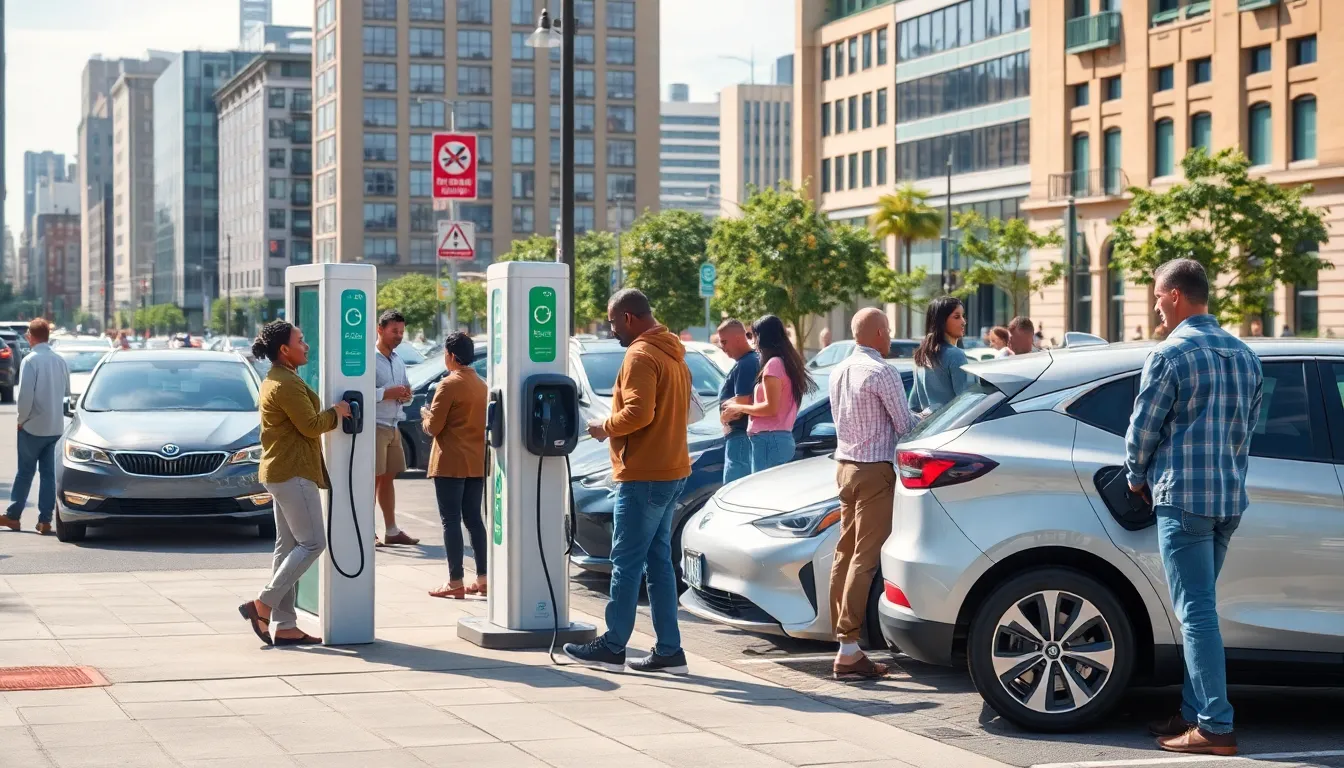
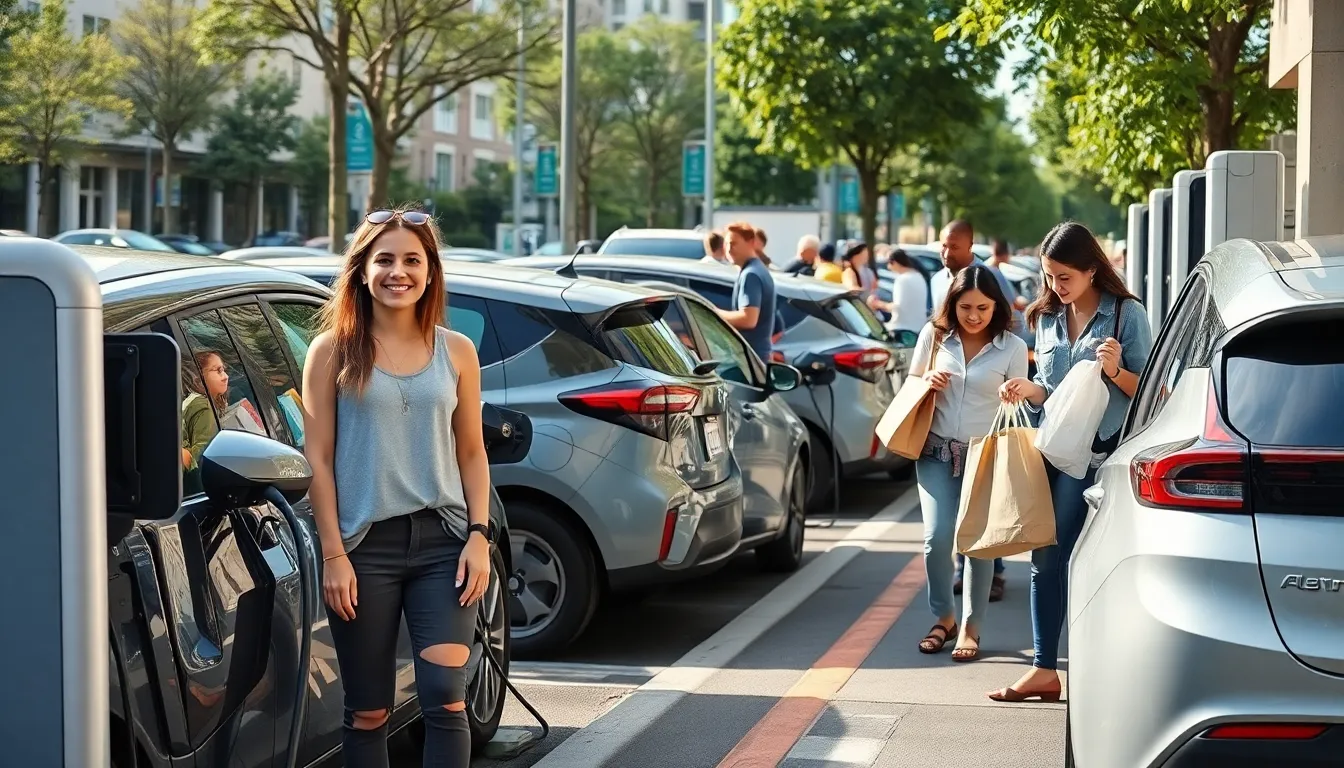
Building a robust charging infrastructure is vital for supporting electric vehicle adoption. As drivers transition to EVs, accessible and reliable charging stations become essential.
Environmental Benefits
Reducing greenhouse gas emissions hinges on expanding charging infrastructure. A comprehensive network of charging stations encourages more people to choose electric vehicles, leading to cleaner air quality. By displacing gasoline and diesel vehicles, electric cars contribute to significant reductions in air pollution. Implementing charging stations in various locations allows for convenient access, further promoting sustainable transportation options. Enhanced charging infrastructure paves the way for achieving broader sustainability goals.
Economic Impacts
Economic growth increasingly relies on the expansion of charging infrastructure. Investing in new stations creates job opportunities, fostering positions in installation and maintenance. The projected $20 billion investment by 2030 will stimulate regional economies. Businesses near charging locations benefit from increased foot traffic, attracting customers who require charging. Local governments see increased tax revenues as electric vehicle adoption rises. Prioritizing charging infrastructure accelerates economic development while supporting the green transition.
Current State of Charging Infrastructure
The electric vehicle market is rapidly evolving, and charging infrastructure must evolve alongside it. Comprehensive charging networks are critical for supporting the increasing number of electric vehicles on the road.
Global Trends
Globally, the demand for charging stations is surging, aligning with the rise of electric vehicles. Governments aim to accelerate deployment, committing to ambitious targets. Countries like Norway set a goal for all new cars to be zero-emission by 2025. By 2023, approximately 1.5 million charging points exist worldwide, showcasing significant investment. Various manufacturers introduce innovations, enhancing charging speeds and accessibility. The push for standardized charging solutions aims to improve user experience and convenience. Collaborative initiatives between governments and private sectors emerge to develop sustainable charging ecosystems.
Regional Developments
In the United States, regional efforts reflect varying approaches to charging infrastructure. Urban areas witness an increase in publicly accessible chargers, addressing the needs of city dwellers. Rural regions face unique challenges that require tailored solutions for charging availability. Federal and state incentives encourage installation, driving growth in both metropolitan and remote locations. Local governments collaborate with private companies to streamline processes for deploying new stations. Many businesses see opportunities to offer charging amenities, enhancing customer experiences. By 2030, the investment in charging infrastructure is projected to reach $20 billion, making it imperative for developers to keep pace with demand.
Challenges in Expanding Charging Infrastructure
Expanding charging infrastructure faces several challenges that can impede progress. Addressing these obstacles is crucial for supporting electric vehicle adoption.
Technological Barriers
Technological barriers often complicate the deployment of charging stations. Insufficient charging speeds can deter users from transitioning fully to electric vehicles. Existing infrastructure may not accommodate advanced charging solutions like DC fast chargers. Compatibility issues among different EV models also create confusion for consumers. Solutions like smart chargers and grid integration can alleviate some problems, yet their implementation requires significant investment. Development of reliable, user-friendly technology must remain a priority to enhance the charging experience.
Regulatory Issues
Regulatory issues frequently slow the growth of charging networks. Complex permitting processes can delay installation projects, often taking several months or even years to resolve. Local zoning laws may restrict where stations can be placed, limiting availability in key areas. Incentive programs provided by federal and state governments are essential for encouraging deployment, yet navigating these systems may present challenges. Streamlined regulations that simplify installation processes are vital for expediting expansion efforts. Maintaining compliance with evolving standards ensures a robust and adaptive charging infrastructure.
Future Prospects of Charging Infrastructure Expansion
The future of charging infrastructure looks promising, focusing on advancements that support electric vehicle growth. As battery technology improves, charging speeds will increase, enhancing user convenience. New developments in wireless charging systems may eliminate the need for physical connections altogether. Innovations in battery storage, like vehicle-to-grid technology, enable EVs to supply energy back to the grid during peak demand.
Innovations on the Horizon
Emerging technologies are reshaping user experiences for electric vehicle owners. Ultra-fast DC chargers are rolling out, providing up to 350 kW of charging power. This capability can recharge an EV battery to 80% in under 20 minutes. Moreover, smart charging solutions are emerging, allowing users to schedule charging during off-peak hours. Renewable energy integration is gaining traction, reducing emissions associated with charging stations. Companies are also exploring mobile charging solutions for remote areas and events, enhancing accessibility.
Policy Recommendations
Effective policies are crucial to foster charging infrastructure expansion. Local governments should implement streamlined permitting processes to facilitate faster installations of charging stations. Incentives, such as tax rebates or grants, can encourage private investment in charging networks. Priority should go to under-served areas, ensuring equitable access to charging resources. Additionally, establishing partnerships between state agencies and private firms can accelerate deployment and improve service quality. Regulatory frameworks must evolve to support innovative technologies while maintaining safety and accessibility standards.