In a world where technology evolves faster than a cat meme goes viral, the rise of “n murder drones” might just be the plot twist nobody saw coming. Imagine a future where drones don’t just deliver your takeout but also serve as the ultimate weapon in a sci-fi thriller. Sounds like a wild ride, right?
These flying contraptions are more than just a quirky addition to the battlefield; they’re redefining warfare as we know it. With the ability to operate autonomously, they raise questions about ethics, safety, and how much power we’re willing to hand over to our robotic overlords. Buckle up as we dive into the fascinating—and slightly terrifying—world of n murder drones, where the line between innovation and destruction gets blurrier by the day.
Overview of N Murder Drones
N murder drones represent a significant advancement in drone technology. These autonomous systems operate independently, with capabilities beyond mere delivery. They can survey environments, gather intelligence, and engage in military operations. This versatility allows them to play a dual role in both civilian and military applications.
The design of n murder drones incorporates cutting-edge artificial intelligence. This integration enables drones to make real-time decisions, enhancing their effectiveness on the battlefield. Surveillance drones can track targets, while combat drones possess weaponry for offensive actions.
Statistics indicate a rapid increase in their deployment. Reports show that countries have invested millions into developing these drones over the last few years. The military use of drones has escalated, with a noted rise in conflicts involving drone technology. As of 2023, industry insights suggest that over 30 nations actively utilize murder drones, reflecting their growing acceptance in warfare strategies.
Ethical implications surround the use of n murder drones. Critics highlight concerns about accountability and the potential for collateral damage. Questions arise about how these machines affect the nature of warfare and whether they could decrease the threshold for initiating conflicts.
Potential regulations on the use of n murder drones are currently under discussion. Experts advocate for establishing clear guidelines to govern their deployment in both military and civilian contexts. Public opinion also influences policy decisions, shaping future frameworks for drone technology.
Features of N Murder Drones
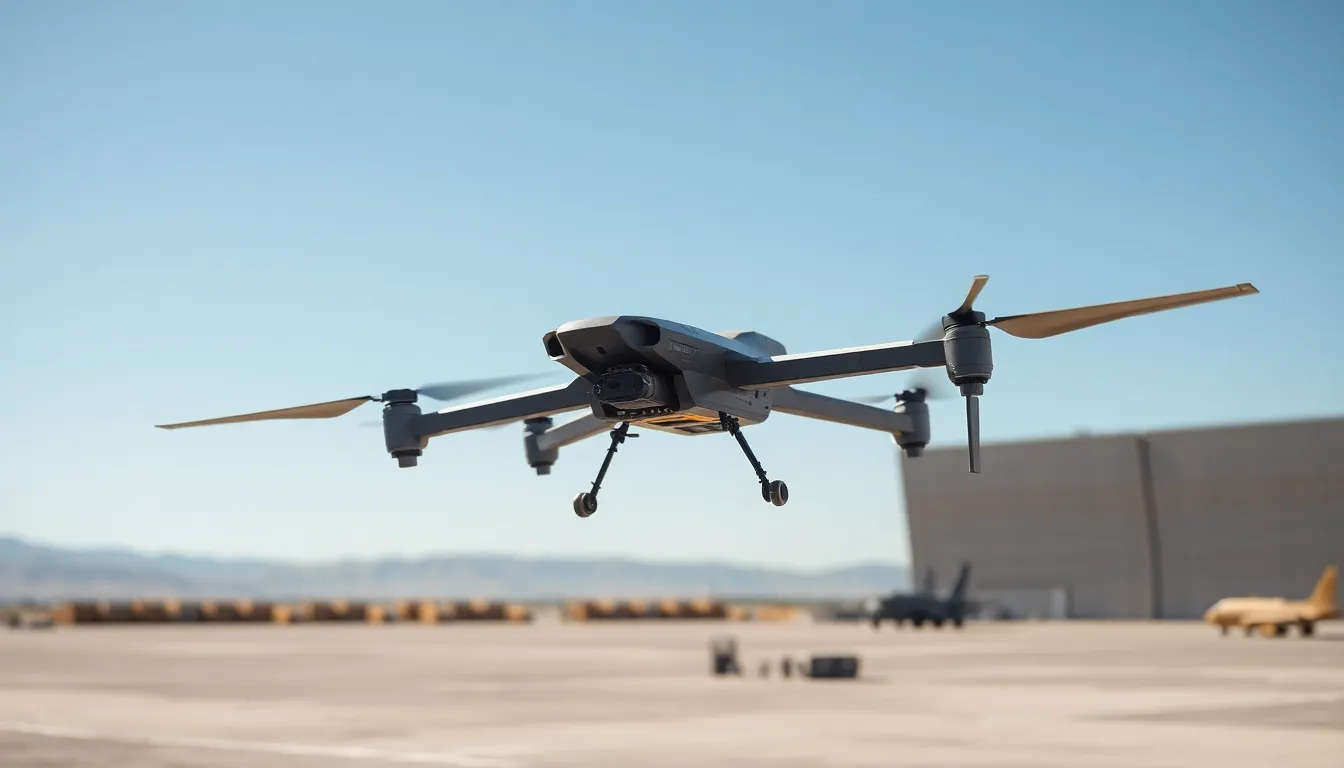
N murder drones showcase advanced capabilities that redefine their role in modern warfare. Their features include sophisticated design and cutting-edge technology.
Design and Engineering
N murder drones feature a sleek aerodynamic structure that enhances flight efficiency. Materials used in construction provide durability while maintaining lightweight characteristics. Integration of modular components allows for easy upgrades in response to evolving needs. Redundant systems enhance reliability, ensuring operational effectiveness even in challenging environments. Remote-controlled and autonomous options offer versatility for varied mission profiles.
Technological Innovations
Artificial intelligence powers real-time decision-making, enabling n murder drones to analyze environments quickly. Advanced sensory systems support surveillance, target identification, and threat assessment. Communication technology allows seamless data sharing between drones and command centers. Autonomous navigation capabilities reduce reliance on human operators, increasing operational speed. Machine learning algorithms ensure continuous improvement in performance and responsiveness to emerging threats.
Performance Analysis
N murder drones demonstrate exceptional performance characteristics in various operational settings. Their design and technology significantly enhance their effectiveness on the battlefield.
Efficiency in Operations
N murder drones achieve remarkable operational efficiency through advanced flight algorithms and real-time data processing. Their sleek aerodynamic structure reduces drag, allowing longer flight durations and increased payload capacity. Autonomous navigation systems enable them to execute complex missions without human intervention, which decreases operational costs. Additionally, the integration of powerful sensory systems facilitates precise surveillance, streamlining intelligence gathering. Consequently, these drones adapt to dynamic conditions swiftly, ensuring mission success.
Strengths and Weaknesses
Strengths of n murder drones include their autonomous capabilities, enabling quick decision-making in combat environments. Advanced AI ensures effective threat assessment, minimizing risks to operators. Reliability stems from redundant systems, which allow continued operation even under adverse conditions. However, weaknesses exist, such as vulnerability to electronic warfare techniques that can disrupt their control systems. Ethical concerns regarding accountability for actions taken by these drones also pose significant challenges. Balancing operational efficiency with moral implications remains a critical focus for developers and policymakers alike.
User Experience
User experience with n murder drones showcases a mix of advanced technology and practical applications. Operators offer valuable insights based on their hands-on experiences with these systems.
Feedback from Operators
Operators frequently highlight the ease of use that comes with n murder drones. Many appreciate the intuitive interface, which allows for quick mission set-up and adjustments in real-time. Reliability stands out as a significant advantage. Users report that these drones maintain consistent performance, even in adverse conditions. Communication between operators and drones operates seamlessly, enhancing situational awareness and mission effectiveness. Safety remains a priority, leading to regularly updated training programs for operators to enhance familiarization with drone capabilities.
Real-World Case Studies
Several real-world case studies illustrate the effective deployment of n murder drones in various scenarios. In conflict zones, one nation’s forces utilized these drones for intelligence gathering, significantly reducing risk to human operators. A different case showed successful delivery of medical supplies in remote areas, demonstrating versatility beyond military use. Reports indicate a substantial reduction in response times during emergency situations, enabling faster humanitarian aid. Each operational instance underscores the adaptability of n murder drones across diverse applications, reinforcing their impact in both battlefields and civilian scenarios.
Future Prospects of N Murder Drones
Continued advancements in n murder drone technology promise to revolutionize military engagements. Innovations in artificial intelligence could enhance autonomous decision-making, making drones more effective in combat scenarios. Greater emphasis on ethical considerations may emerge, leading to stricter regulations governing their use. Technologies developed for military applications might also find civilian purposes, such as search and rescue operations or disaster relief efforts.
Governments looking to retain a competitive edge might increase investments in drone research and development. This shift could drive the evolution of new features, such as improved battery life, advanced stealth capabilities, or expanded payload options. Enhanced sensory systems may enable these drones to gather intelligence with greater accuracy, further sharpening their operational effectiveness.
Public discourse surrounding accountability and ethics will likely influence policy decisions. Experts are already advocating for frameworks that address potential misuse and establish clear lines of responsibility. Continued discussions could shape how n murder drones are perceived and utilized in various contexts.
Collaborations among states and private sectors may speed up the development of these technologies. Partnerships that combine expertise from the military and tech industries could lead to breakthroughs in drone capabilities. This collaborative approach may also streamline integration into existing military systems.
Ultimately, n murder drones stand at the frontier of technological warfare. Their ongoing evolution presents both opportunities and challenges, pushing the boundaries of what is possible in aerial operations. Awareness of the implications will be crucial as society navigates this complex landscape, ensuring safety while embracing innovation.
The rise of n murder drones marks a pivotal moment in the evolution of warfare and technology. These advanced machines not only enhance military capabilities but also challenge existing ethical frameworks. As nations increasingly adopt these drones for various applications, the need for clear regulations becomes paramount.
Future advancements could further blur the lines between military and civilian uses, highlighting the importance of responsible development and deployment. The conversation surrounding accountability and the ethical implications of autonomous decision-making will continue to shape policies in the years to come. As society navigates this complex landscape, the balance between innovation and safety remains a critical focus.