The future of driving is buzzing with excitement, and it’s not just the sound of a new playlist. Battery Electric Vehicles (BEVs) are taking the automotive world by storm, leaving gas-guzzlers in the dust. Imagine gliding past the gas station while your friends are stuck in line, wondering why they didn’t join the electric revolution sooner.
Overview Of Battery Electric Vehicles
Battery Electric Vehicles (BEVs) operate solely on electric power, using battery packs to store energy. These vehicles eliminate fossil fuel dependency, offering a cleaner alternative to traditional combustion engines. An increasing number of manufacturers produce BEVs, with models from brands such as Tesla, Nissan, and Chevrolet leading the market.
Performance characteristics of BEVs include quick acceleration and instant torque delivery, providing enhanced driving experiences. Many BEVs also feature regenerative braking systems, which help extend range and increase energy efficiency. Some models boast ranges of over 300 miles on a single charge, addressing common concerns about driving distance.
Charging infrastructure has expanded significantly, with public charging stations available in various locations. Fast chargers enable rapid recharging, with some designs allowing for substantial range boosts within minutes. Home charging solutions further facilitate convenient overnight charging, reducing range anxiety for owners.
Economic benefits include lower operating costs, thanks to reduced fuel expenses and maintenance requirements. Owners often enjoy tax incentives as well, which can offset the initial purchase price. Many states offer rebates for BEV buyers, promoting the shift toward sustainable transportation.
Government policies increasingly support the adoption of BEVs, aiming to reduce greenhouse gas emissions. Some regions target complete electrification of vehicles within a specific timeframe, reinforcing the commitment to cleaner air. The growing focus on sustainability aligns with consumer preferences for eco-friendly options, driving demand for BEVs.
Understanding the advantages and infrastructure around BEVs clarifies why they are gaining prominence in the automotive landscape.
Benefits Of Battery Electric Vehicles
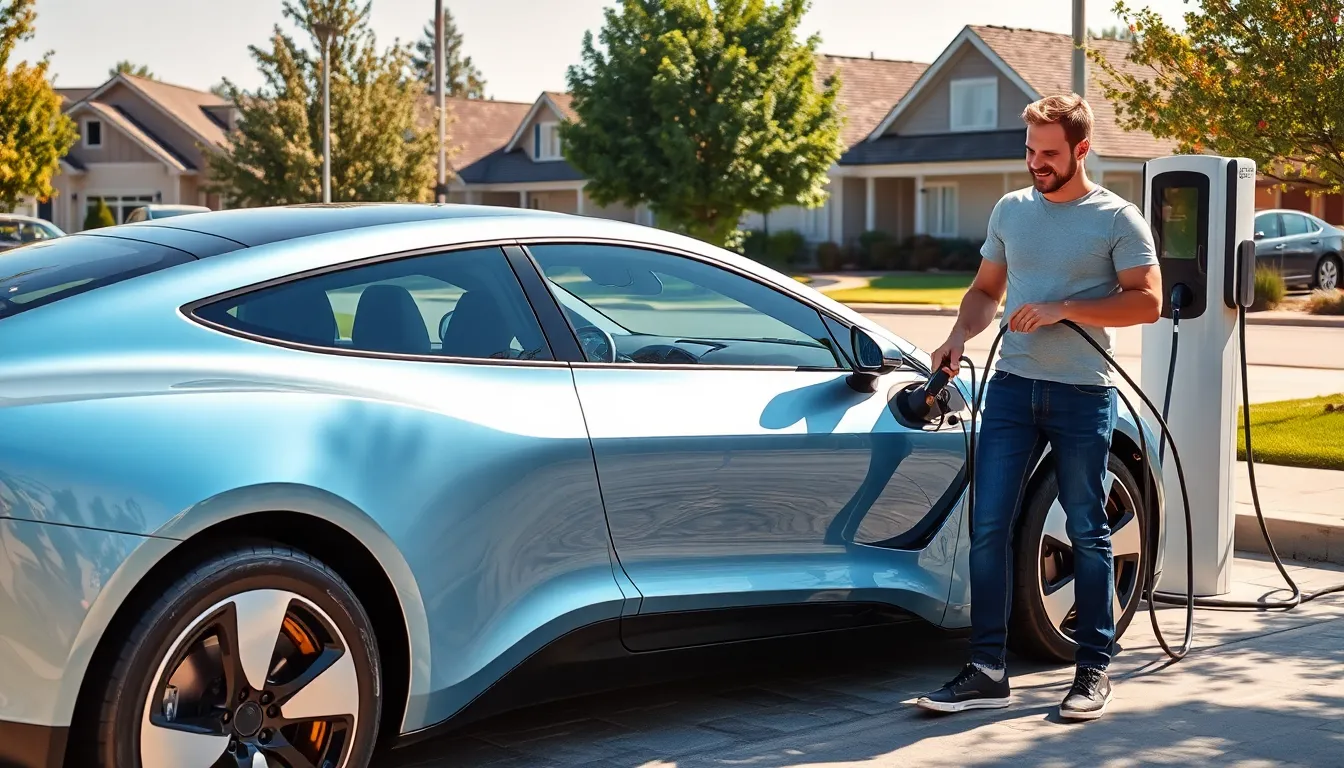
Battery Electric Vehicles (BEVs) provide numerous advantages over traditional gas-powered vehicles. Their benefits span environmental impact, cost savings, and performance enhancements.
Environmental Impact
BEVs significantly reduce greenhouse gas emissions, contributing to cleaner air and a healthier planet. Operating on electricity instead of fossil fuels eliminates harmful pollutants associated with combustion engines. Many regions experience a noticeable decrease in air quality issues linked to vehicle emissions. Transitioning to BEVs aligns with global sustainability goals and enhances energy efficiency. Their battery systems promote the use of renewable energy sources, such as solar and wind. Various studies indicate that widespread BEV adoption could substantially lower overall carbon footprints. As they gain popularity, more manufacturers focus on sustainable production and recycling of batteries.
Cost Savings
Cost efficiency often favors Battery Electric Vehicles, making them attractive for consumers. Reduced fuel costs contribute significantly to savings, as electricity prices typically remain lower than gasoline. Maintenance expenses drop due to fewer moving parts in electric drivetrains, minimizing the need for frequent repairs. Incentives such as tax credits and rebates further enhance the financial appeal of BEVs, encouraging adoption. Many owners report overall operating costs decrease by up to 60% compared to traditional vehicles. Charging at home makes it convenient and economical, with many utilizing off-peak electricity rates for additional savings. The growing availability of charging infrastructure nationwide supports this trend, making BEVs an even more practical option for budget-conscious drivers.
Challenges Facing Battery Electric Vehicles
Despite the growth of Battery Electric Vehicles (BEVs), several challenges hinder their widespread adoption. Key obstacles include charging infrastructure and range anxiety.
Charging Infrastructure
Charging infrastructure varies significantly by region. Many areas still lack sufficient public charging stations, making long-distance travel difficult. Fast chargers are essential for quick recharges, yet their distribution remains inconsistent. Home charging options exist, but not every consumer has access to convenient installation. Some urban environments struggle with limited electrical capacities, complicating charging setups. A comprehensive network of charging solutions is critical for easing consumer concerns and promoting BEV use.
Range Anxiety
Range anxiety poses a considerable challenge for potential BEV owners. Individuals often fear that battery depletion will occur before reaching a charging station. Many BEVs can travel over 300 miles on a full charge, yet doubts persist about real-world driving scenarios. These concerns can deter first-time buyers from committing to electric vehicles. Improved communication of real-world range capabilities may alleviate fears. Additionally, expanding charging networks directly addresses this issue, promoting increased confidence in BEV operation.
Future Trends In Battery Electric Vehicles
Battery Electric Vehicles (BEVs) continue evolving with significant technological advancements and market growth. The automotive industry increasingly embraces these changes.
Technological Advancements
Battery technology focuses on enhancing energy density and reducing charging times. New lithium-sulfur batteries promise up to 500 miles of range and faster charging speeds, benefiting consumers. Integration of advanced software improves vehicle performance and efficiency while enabling over-the-air updates. Artificial intelligence aids in optimizing battery management systems, maximizing lifespan, and enhancing driving experience. Additionally, emerging technologies like vehicle-to-grid systems allow BEVs to supply energy back to the grid. These innovations contribute to a more sustainable future.
Market Growth
Consumer interest in BEVs rises as the market expands rapidly. Sales projections indicate that BEVs could comprise 30% of global vehicle sales by 2030. Major manufacturers continuously invest in electric vehicle production, with new models introduced regularly. Public and private sectors collaborate to enhance charging infrastructure, increasing accessibility. Government incentives support buyers, further accelerating adoption. Regions with ambitious electrification goals drive competition, motivating manufacturers to innovate and meet consumer demand. This growth solidifies BEVs as a mainstay in the automotive landscape.
Battery Electric Vehicles are reshaping the automotive landscape by offering a cleaner and more efficient alternative to traditional vehicles. As technology advances and infrastructure improves, the appeal of BEVs continues to grow among consumers seeking sustainable options. With significant cost savings and environmental benefits, it’s clear that the shift towards electrification is not just a trend but a necessary evolution in transportation.
As manufacturers innovate and governments support this transition, BEVs are poised to become a dominant force in the market. Embracing this change not only aligns with global sustainability goals but also positions drivers for a future where electric mobility is the norm. The journey towards widespread BEV adoption is underway, and it promises to redefine how we think about driving.