
Electric bikes are no longer just a quirky way to dodge traffic; they’re revolutionizing how we think about commuting and recreation. With innovations popping up faster than a kid on a sugar rush, these two-wheeled wonders are becoming the go-to choice for eco-conscious riders and thrill-seekers alike. Imagine gliding through city streets, wind in your hair, while your bike does the heavy lifting—talk about a sweet deal!
From cutting-edge battery technology to smart features that would make your smartphone jealous, the latest electric bike innovations are here to make your rides smoother, faster, and way more fun. Whether you’re a seasoned cyclist or a newbie looking to join the e-bike craze, there’s something for everyone. Buckle up (or rather, hop on) as we dive into the electrifying world of e-bike advancements that are changing the game.
Overview of Electric Bike Innovations
Innovations in electric bikes have significantly transformed the cycling landscape. Advanced battery technologies deliver increased range and shorter charging times. Recent lithium-ion batteries, for example, can provide up to 100 miles on a single charge, appealing to long-distance riders.
Innovative designs continuously improve the user experience through lighter materials and enhanced aerodynamics. Many brands now utilize carbon fiber and aluminum alloys, reducing overall weight while maintaining strength.
Smart features, such as integrated GPS and performance tracking, have become commonplace. Riders appreciate apps that provide real-time updates on speed, distance, and battery life. Some electric bikes even offer theft protection through GPS tracking, enhancing security for owners.
Electric bike manufacturers increasingly focus on customization options. Riders can select features like pedal assist levels and power modes tailored to individual preferences. Moreover, modular designs allow for easy upgrades, keeping bikes current with the latest technology.
Environmental considerations also drive e-bike innovations. Companies aim for sustainable practices by utilizing recyclable materials and energy-efficient manufacturing processes. This commitment resonates with eco-conscious consumers who prioritize sustainability.
Collaboration within the industry contributes to rapid advancements. Partnerships between tech companies and bike manufacturers streamline development of smart features and battery systems. This synergy enhances bike performance and user satisfaction, encouraging more riders to embrace electric cycling.
Overall, the evolution of electric bikes showcases continued advancements that cater to diverse rider needs. As innovations emerge, the e-bike industry remains dynamic, attracting enthusiasts and casual riders alike.
Key Technological Advancements
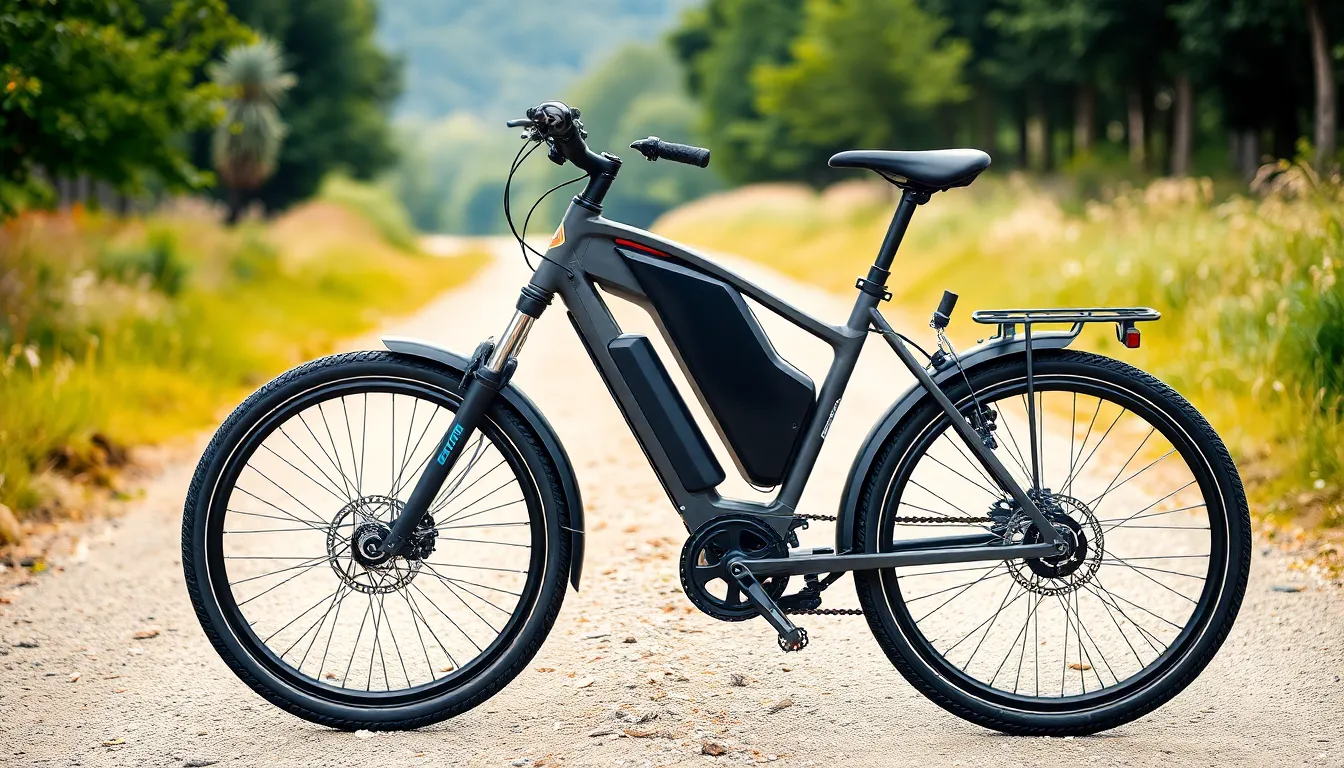
Innovations in electric bikes fundamentally enhance user experience through improved functionality and efficiency. Battery technology, motor efficiency, and advanced features represent significant progress in this sector.
Battery Technology
Battery technology advancements directly impact electric bike performance. Modern lithium-ion batteries offer a range of up to 100 miles on a single charge. Shortened charging times mean users spend less time waiting and more time riding. Some new models feature fast-charge capabilities, allowing for charging in under three hours. Manufacturers are also implementing smart battery management systems, which optimize usage and extend battery life. Increased energy density results in lighter batteries without sacrificing capacity. These developments cater to eco-conscious consumers seeking reliability and convenience.
Motor Efficiency
Motor efficiency improvements play a crucial role in the overall sustainability of electric bikes. Advanced motors now provide higher torque and power while consuming less energy. This combination significantly enhances acceleration and hill-climbing abilities, giving riders a seamless experience. Regenerative braking technology recaptures energy during descents or when slowing down, further extending range. Innovations in motor design lead to quieter operations, contributing to a more enjoyable ride. Integrating smart control systems allows riders to select power levels tailored to their needs, ensuring optimal performance across various terrains.
Design Improvements
Recent innovations in electric bike design focus on improving performance and user experience. Enhanced aerodynamics plays a crucial role in achieving higher speeds and efficiency.
Aerodynamics
Streamlined frames contribute significantly to overall speed and stability. Manufacturers create designs that reduce drag, allowing for smoother airflow around the bike. Features like integrated fairings and tapered shapes enhance this effect, permitting faster travel at lower energy consumption rates. Improved aerodynamics also aid in better handling, especially at high speeds. Riders experience increased confidence when navigating turns or descents, thanks to these advancements in design.
Weight Reduction
Weight reduction strategies are integral to modern electric bike design. Using lightweight materials such as carbon fiber and aluminum alloys reduces overall weight without compromising strength. This reduction facilitates easier handling and maneuverability, especially in urban environments. Lighter bikes allow for longer rides with less effort, enhancing the user experience. Integration of compact components, like smaller batteries and motors, further contributes to weight savings. Riders appreciate this agility, making electric bikes more appealing for both commuting and recreation.
Smart Features
Smart features revolutionize the electric bike experience, enhancing ride quality and connectivity. Innovations in technology make cycling safer and more enjoyable.
Connectivity and Apps
Connectivity features integrate seamlessly with smartphones. Many electric bikes now pair with dedicated apps, offering navigation tools and performance tracking. Riders access real-time data like speed, distance, and battery status directly on their devices. Notifications about maintenance needs also promote proactive care. Popular features include route optimization, allowing cyclists to find the best paths while avoiding heavy traffic. Users can even track their rides for fitness goals, making these apps essential for health-conscious individuals.
Safety Innovations
Safety advancements contribute significantly to rider protection. Electric bikes now incorporate built-in lights and turn signals, improving visibility in low-light conditions. Anti-lock braking systems provide better control during sudden stops, enhancing overall stability. Advanced locking mechanisms deter theft, while GPS tracking systems aid in recovering stolen bikes. Many models also feature reflective materials on tires and frames for added visibility. Smart helmets equipped with reflective surfaces communicate with bikes, ensuring that signals are readily visible. With these innovations, riders experience greater peace of mind during their journeys.
Environmental Impact
Electric bikes significantly reduce carbon emissions when compared to traditional vehicles. Riders contribute to a cleaner environment by choosing electric bikes for commuting or leisure. Reports indicate that using e-bikes can lower greenhouse gas emissions by over 50% compared to car travel for similar distances.
Sustainable manufacturing practices play a crucial role in minimizing the overall ecological footprint of electric bikes. Companies are increasingly employing recyclable materials in bike construction, which aligns with the growing demand for eco-friendly products. Integrating renewable energy sources in production processes further enhances sustainability efforts.
Battery production and disposal also impact the environment. Innovations now focus on developing batteries with longer lifespans and improved recyclability. Lithium-ion batteries in electric bikes typically last several years before replacements are necessary, reducing waste generation.
Maintenance practices influence environmental considerations as well. Routine care, such as tire inflation and brake adjustments, optimizes efficiency and extends the lifespan of components, contributing to sustainability. An efficient e-bike not only enhances performance but also minimizes energy consumption.
Comparison with cars highlights the environmental benefits of electric bikes. A typical electric bike consumes approximately 1/10th the energy of an average car per mile traveled. Thus, riders adopting e-bikes help relieve traffic congestion and reduce wear on infrastructure.
In urban settings, electric bikes offer an appealing alternative to cars, decreasing the need for extensive parking and road use. Cities benefit from reduced pollution levels as more people choose e-bikes for short trips. Overall, electric bike innovations represent a significant shift towards greener transportation options.
Electric bike innovations are reshaping how people view transportation. With advancements in battery technology and smart features riders now enjoy longer ranges and enhanced connectivity. The focus on sustainability not only benefits the environment but also aligns with the values of modern consumers.
As manufacturers continue to push the boundaries of design and functionality e-bikes are becoming more accessible and appealing to a wider audience. The integration of safety features and customization options further enriches the riding experience.
Ultimately the future of electric bikes looks bright promising a cleaner and more efficient way to navigate urban landscapes while promoting a healthier lifestyle.