Imagine cruising down the road in a sleek electric car, the wind in your hair and the satisfaction of saving the planet with every mile. Now, what if you could do that without the long-term commitment of ownership? Welcome to the world of electric car subscription models, where flexibility meets sustainability.
Overview Of Electric Car Subscription Models
Electric car subscription models offer a modern approach to vehicle access. These models provide customers with flexibility while eliminating long-term ownership commitments. Subscribers typically pay a monthly fee that includes insurance, maintenance, and charging.
Various companies, like Canoo and Rivian, have developed unique subscription offerings. Canoo, for instance, allows users to switch between vehicles based on their needs. Rivian’s subscription model emphasizes adventure, offering vehicles suited for outdoor activities.
Users experience benefits beyond just vehicle access. Convenience ranks high as subscribers avoid the hassles of buying or leasing. Additionally, subscription services allow users to test drive different electric car types before making a long-term commitment.
Data shows that the electric vehicle (EV) market is growing rapidly. In 2022, electric car sales in the U.S. increased by over 70%, signaling a shift in consumer preferences. Many subscribers appreciate the sustainability aspect of EVs, aligning their transportation choices with environmental goals.
Cost transparency serves as another advantage. Many subscription services provide clear pricing structures, helping consumers budget effectively. Subscribers can also easily customize their preferences regarding vehicle features and rental terms.
Overall, electric car subscription models present a compelling alternative to traditional ownership. With ongoing technological advancements and increasing flexibility, these services will likely play a significant role in the future of urban mobility.
Benefits Of Electric Car Subscription Models
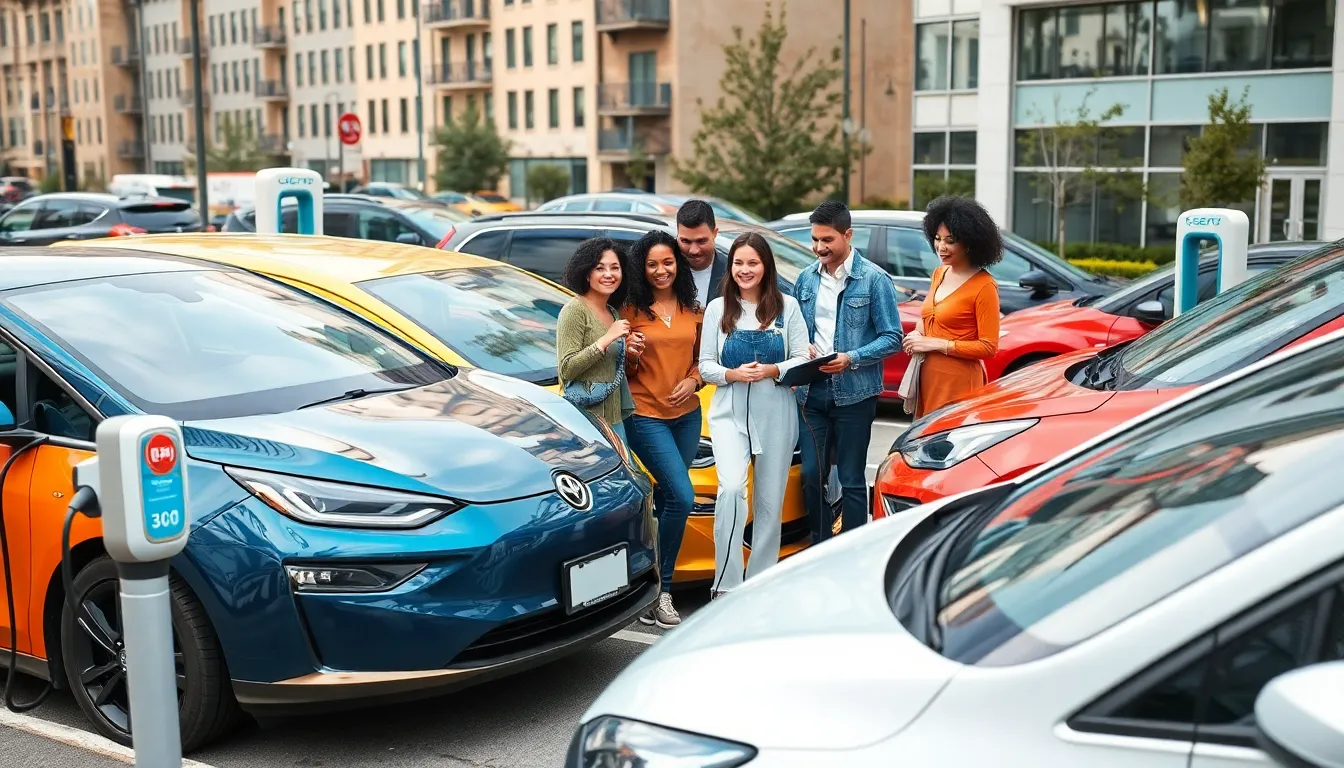
Electric car subscription models offer unique advantages that make them appealing to a growing number of consumers. These benefits include convenience, flexibility, and cost-effectiveness.
Convenience And Flexibility
Convenience defines electric car subscription models. Users avoid the traditional processes of buying or leasing a vehicle. Flexibility allows subscribers to switch between different electric car types based on their needs. Many subscription services provide comprehensive packages, which include maintenance, insurance, and charging. This all-in-one approach simplifies vehicle management, making it easy for subscribers to enjoy the advantages of driving electric without the long-term commitment. Such adaptability suits urban dwellers and those who frequently travel. Electric car subscriptions cater to evolving requirements, ensuring customers can always access the vehicle that best fits their lifestyle.
Cost-Effectiveness
Cost-effectiveness represents another major benefit of electric car subscription models. Monthly fees often cover all associated expenses, enabling effective budgeting. Insurance, maintenance, and charging costs typically fall under the subscription price, eliminating hidden fees. Customers find transparent pricing structures helpful as they understand their financial commitments upfront. With the rising costs of vehicle ownership, subscription models present a more manageable alternative. Subscribers can avoid depreciation worries as well, since they don’t own the vehicle. Many users enjoy the ability to test new electric models without significant financial risk, ultimately making these subscription services an economically attractive option.
Types Of Electric Car Subscription Models
Electric car subscription models offer various options tailored to different consumer needs. Understanding these models helps potential subscribers choose the best fit.
All-Inclusive Subscriptions
All-inclusive subscriptions provide a comprehensive package. These plans typically cover insurance, maintenance, and charging costs. Subscribers enjoy the convenience of a single monthly fee without hidden expenses. Flexibility remains a key benefit; users can switch vehicles as their needs change. Companies like Canoo excel in this domain, allowing customers to select from multiple electric cars. The simplicity of managing one payment streamlines the experience, making it appealing for urban residents and families requiring versatile vehicle options.
Pay-As-You-Go Subscriptions
Pay-as-you-go subscriptions cater to those who prefer variability. Users pay for the duration they use the vehicle, making it easy to budget according to their travel schedule. This model works well for occasional drivers or travelers, as costs align directly with usage frequency. Select electric car subscription services offer this flexibility, enabling subscribers to enjoy the benefits of electric driving without long-term commitments. This approach ensures users only pay for what they need, reducing the financial burden associated with typical ownership models.
Challenges And Considerations
Electric car subscription models face various challenges and considerations that potential users must understand.
Availability And Accessibility
Availability of electric car subscriptions varies by region. Urban areas often present more options compared to rural settings. Limited fleet sizes can lead to difficulties in accessing specific models. Flexibility in availability may also fluctuate based on demand, affecting monthly pricing. A lack of standardization among providers may confuse consumers when comparing services. Furthermore, factors such as charging infrastructure influence the overall accessibility of these subscriptions, particularly in areas with insufficient charging stations. Overall, assessing local availability and infrastructure requirements proves crucial for prospective subscribers.
Insurance And Maintenance
Insurance coverage varies significantly across subscription models. Some companies include comprehensive insurance within the monthly fee, simplifying user experience. Maintenance responsibilities typically fall on the subscription service, ensuring vehicles remain in excellent condition. Costs for maintenance are often included in the subscription price, which eliminates surprises for users. However, understanding specific coverage terms and limitations may require thorough review. Replacement policies for downtime during maintenance can also differ, setting apart subscription providers. Users need to evaluate these factors when choosing an electric car subscription.
Comparison With Traditional Ownership
Electric car subscription models differ significantly from traditional vehicle ownership. In traditional ownership, he pays for the entire vehicle, including financing or leasing costs, which usually requires a substantial down payment. Monthly payments can result in long-term financial commitments, often lasting several years.
Comparatively, subscription models generally offer flexibility. Users typically enjoy short-term commitments, with contracts spanning from one month to a year. This flexibility allows them to adapt vehicle choices based on changing personal or lifestyle needs without the burden of long-term financing.
Insurance and maintenance responsibilities also vary greatly. Traditional ownership requires the owner to manage these aspects independently, often resulting in unpredictable expenses. Conversely, many subscription services bundle insurance and maintenance costs into one monthly fee, simplifying budgeting.
Furthermore, depreciation impacts ownership significantly. Electric cars lose value over time, affecting resale potential. In subscription models, users sidestep depreciation concerns entirely since they return the vehicle at the end of the subscription term.
Charging solutions can be cumbersome for traditional owners. They often search for suitable charging stations, especially in urban areas. Subscription services, however, frequently include charging solutions, enhancing convenience and user experience.
Another consideration involves vehicle selection. Traditional owners might feel limited to their singular purchase choice, influencing long-term satisfaction. Subscription services provide access to various models, allowing users to explore different electric vehicles without additional financial commitment.
Overall, electric car subscription models present a modern alternative to traditional ownership, catering to the evolving demands of drivers in a rapidly changing automotive landscape. The convenience, flexibility, and transparency offered by subscription models make them an attractive option for many consumers today.
Electric car subscription models are reshaping the way consumers approach vehicle ownership. By offering flexibility and convenience these models cater to modern lifestyles while promoting sustainability. As the electric vehicle market continues to grow the appeal of subscription services will likely increase.
With options that accommodate various needs and preferences consumers can enjoy the benefits of electric driving without the burdens of traditional ownership. The all-inclusive packages simplify budgeting while providing access to a diverse range of vehicles. As the landscape evolves these subscription models are poised to play a crucial role in the future of urban mobility.