In a world where bigger often means better, micro drones are here to prove that great things really do come in small packages. These pint-sized powerhouses pack a punch, offering advanced technology and versatility that’ll make even the most seasoned tech enthusiasts do a double-take. Imagine zipping through the air with a drone that fits in your palm—now that’s a game-changer!
Overview of Micro Drones
Micro drones represent a significant leap in drone technology, pushing boundaries in size and performance. Weighing less than 250 grams, these compact devices often boast high-definition cameras and sophisticated sensors. Their small footprint allows them to navigate confined spaces, making them ideal for tasks like surveillance and inspections in urban environments.
Advanced features set micro drones apart. Many come equipped with intelligent flight modes, enabling users to capture stunning aerial shots effortlessly. They feature obstacle avoidance systems, ensuring safe navigation through challenging environments. Such capabilities empower both amateur and professional users to accomplish tasks that once seemed daunting.
Applications of micro drones span diverse fields. In agriculture, farmers utilize them for crop monitoring and health assessments. In real estate, agents leverage them for breathtaking property footage that enhances listings. Those in emergency response rely on micro drones to survey disaster sites and assess damage quickly.
Durability plays a crucial role in the design of micro drones. They often feature robust materials that withstand rough usage, ensuring longevity. These devices also benefit from extended battery life, with many achieving flight times of up to 30 minutes on a single charge.
Affordability adds to their appeal. A range of models accommodates various budgets, allowing enthusiasts and professionals to choose according to their needs. All these factors contribute to the growing popularity of micro drones, establishing them as a vital tool in modern technology.
Applications of Micro Drones
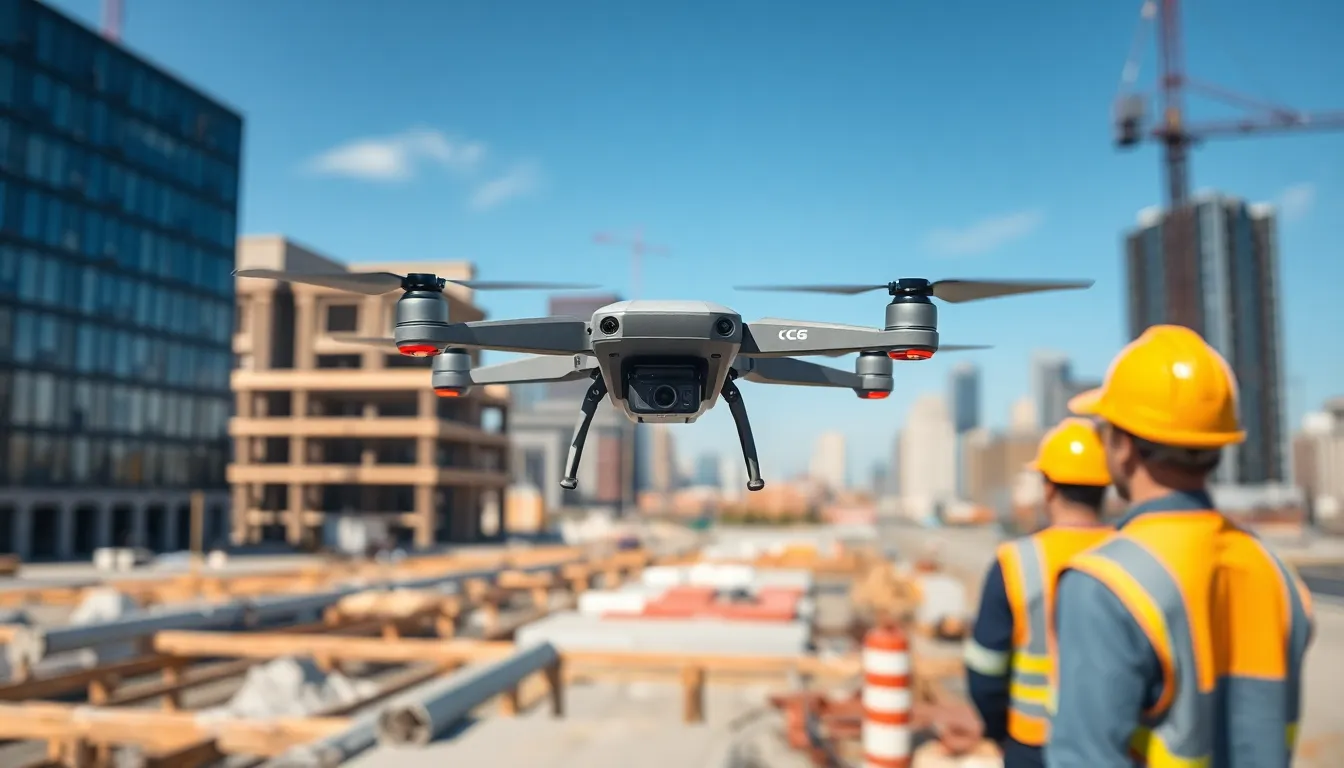
Micro drones find extensive use across various sectors, demonstrating their adaptability and efficiency in diverse applications.
Commercial Uses
Businesses utilize micro drones for aerial photography, surveying, and inspections. Their compact size allows for easy navigation around structures, making them ideal for capturing real estate images or monitoring construction sites. Agriculture benefits from these drones, as they provide precise crop assessments and potential yield estimates. Industries also leverage micro drones for surveying difficult terrains, enabling rapid data collection. Integration with advanced sensors allows for real-time data analysis, enhancing decision-making.
Military and Defense
In military applications, micro drones play a crucial role in reconnaissance and surveillance missions. Their small size supports discreet operations, allowing for effective intelligence gathering. Equipped with high-definition cameras, these drones can capture detailed images of enemy positions without detection. They also assist in search and rescue missions, providing situational awareness during critical operations. Adaptability to different environmental conditions adds to their value in defense strategies, ensuring successful mission execution.
Advantages of Micro Drones
Micro drones offer multiple benefits that make them highly appealing for various applications. Their compact size and advanced technology allow users to leverage them effectively in tight spaces while enjoying remarkable functionality.
Portability and Size
Portability represents a significant advantage of micro drones. With dimensions that often fit in the palm, they enable easy transport and deployment. Weighing under 250 grams, these drones can be carried in bags or even pockets, making them ideal for quick missions. Deployment occurs in urban environments, where larger drones may face restrictions. Users can easily navigate through confined areas, providing real-time visuals that would otherwise remain inaccessible.
Enhanced Capabilities
Enhanced capabilities further elevate micro drones beyond their size. High-definition cameras typically equip these drones, allowing them to capture stunning images and videos. Intelligent flight modes and obstacle avoidance technologies ensure safe navigation, even for novice pilots. Battery life often reaches 30 minutes, enabling extended operation without frequent recharges. Applications in agriculture, real estate, and emergency response highlight their versatility and efficiency. Military and defense sectors also utilize them for covert surveillance, thanks to their ability to remain undetected while capturing critical intelligence.
Challenges in Micro Drone Technology
Micro drones face several challenges that impact their performance and usability in various applications. Key obstacles include battery life limitations and regulatory issues.
Battery Life and Duration
Battery life remains a prominent concern in micro drone technology. Most models achieve flight times of up to 30 minutes on a single charge, but this duration can fluctuate based on factors such as payload weight and environmental conditions. Developers continually seek innovative solutions to extend battery operational time without compromising the drone’s design or functionality. As users demand more advanced features, the necessity to balance power consumption with performance increases. Finding lightweight materials and energy-efficient components becomes critical in addressing these limitations.
Regulatory Issues
Regulatory issues pose significant hurdles for micro drone operation. Many regions enforce strict regulations governing airspace, which affects where and when these drones can fly. Drone operators must often comply with licensing requirements and operational guidelines based on local laws. Additionally, the Federal Aviation Administration (FAA) mandates registration for drones exceeding 0.55 pounds. As new regulations emerge to address safety and privacy concerns, manufacturers and users must navigate complex legal frameworks. Keeping abreast of changes in these regulations is essential for ensuring compliant and safe operation.
Future Trends in Micro Drones
Innovations in micro drone technology indicate a promising future. Enhanced battery technologies aim to increase flight times beyond 30 minutes. Engineers are developing lighter materials, which could improve drone performance without sacrificing durability. Advanced artificial intelligence and machine learning algorithms enhance navigation capabilities, allowing micro drones to operate autonomously in complex environments.
Integration of 5G technology transforms data transmission rates. High-speed connections enable real-time streaming of high-definition video to operators on the ground. This capability proves invaluable for applications in surveillance and emergency response.
Expansion into new markets is evident. Industries like logistics and delivery are beginning to explore micro drones for quick and efficient deliveries. Urban planners envision using these drones for infrastructure assessments, where traditional methods may not be feasible.
Increased regulatory clarity also shapes the future landscape. As governments worldwide establish comprehensive regulations for drone operations, it becomes easier for businesses to utilize micro drones safely. Collaboration between stakeholders, including manufacturers and lawmakers, promotes a better understanding of technological advancements.
Consumer interest continues to grow. Hobbyists and professionals alike seek out models equipped with advanced features, contributing to an increasing variety of options in the market. Accessibility improves as prices for quality micro drones drop, making them suitable for more users.
Sustainability remains a focus. Research into eco-friendly materials and energy-efficient designs enhances the environmental profile of micro drones. This shift reflects a broader trend towards sustainable practices within the technology sector.
Micro drones are reshaping the landscape of technology with their remarkable capabilities and versatility. Their compact design and advanced features make them indispensable in various sectors, from agriculture to military operations. As innovation continues to drive improvements in battery life and functionality, these tiny devices are poised to become even more integral to everyday applications.
The growing interest in micro drones reflects a shift towards more accessible and efficient technology. With the potential for real-time data transmission and enhanced regulatory frameworks, their future looks promising. As they evolve, micro drones will undoubtedly play a crucial role in transforming industries and enhancing operational efficiency.