

Imagine soaring above breathtaking landscapes with your drone, capturing stunning views of majestic mountains and serene lakes. It sounds like a dream come true, right? But before you start channeling your inner aerial photographer, there’s a big question to tackle: Can you really fly drones in national parks?
Overview of Drone Regulations
Flying drones in national parks involves strict regulations. The National Park Service (NPS) prohibits drone use within these areas to protect wildlife and preserve the natural environment. Exceptions exist, but they require special permits.
Recreational drone users must adhere to Federal Aviation Administration (FAA) guidelines. The FAA mandates registration for drones weighing over 0.55 pounds. Compliance with these rules is essential to avoid fines and legal consequences.
Permits can be obtained for specific purposes, such as research or special events. These applications undergo a thorough review process, assessing the potential impact on park resources and visitor experiences. The NPS evaluates each request based on its policies regarding public safety and conservation.
In addition, some parks may allow limited drone use in designated areas. Finding these locations often requires checking individual park regulations, as they vary widely. Furthermore, understanding local laws supplements federal regulations and can affect drone operations.
Violating drone regulations leads to penalties or confiscation of equipment. Fines can reach up to $1,000, and criminal charges may apply in severe cases. Ensuring compliance not only protects the drone operator but also safeguards the park’s ecological integrity.
Consulting official resources remains crucial for anyone interested in flying drones in national parks. Up-to-date information on drone policies ensures adherence to all legal requirements. Checking the NPS website or visiting park offices provides additional clarity to potential drone pilots.
Understanding National Park Guidelines
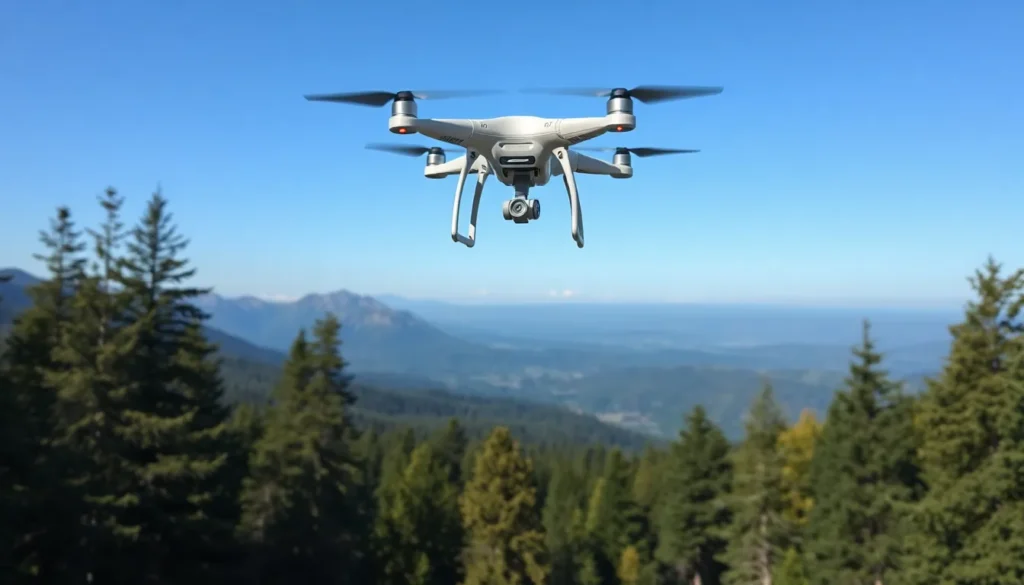
Flying drones in national parks involves navigating a complex web of regulations. It’s crucial to be aware of both federal and state rules to avoid penalties.
Federal Regulations
The Federal Aviation Administration (FAA) governs drone operation across the United States. Drone operators must register their devices if they weigh over 0.55 pounds. Compliance with FAA guidelines includes maintaining visual line-of-sight during flights and avoiding restricted airspace. Additionally, flying drones above 400 feet is prohibited to ensure safety and minimize disturbances to wildlife. Violations can result in fines or confiscation of equipment. As such, consulting the FAA’s official website for updates ensures adherence to current regulations.
State-Specific Rules
While federal regulations provide a baseline, individual states might enact additional rules concerning drone usage. Some states impose restrictions specific to their protected lands, which can include state parks as well as national parks. Various parks have unique regulations that may permit limited drone use in designated areas. It’s vital for drone operators to check the regulations for specific state laws and any park-specific guidelines. Exploring state resources or official park websites often provides the most accurate and comprehensive information regarding any necessary permits or restrictions.
Drone Usage in National Parks
Flying drones in national parks faces strict regulations. The National Park Service enforces rules to protect wildlife and conserve natural habitats.
Permitted Activities
Drone use in national parks occurs only under specific conditions. Obtaining special permits for educational or research purposes is essential. Examples include wildlife monitoring or scientific studies that benefit park management. Some parks may designate areas for drone activities. Checking individual park rules ensures compliance and helps avoid misunderstandings.
Prohibited Activities
Certain activities remain strictly prohibited to preserve park integrity. Flying drones over established airspace restricts access to vital habitats. Disturbing wildlife during nesting or mating seasons poses serious risks. Additionally, operating drones near visitors creates safety hazards. Violating these prohibitions could lead to fines or confiscation of equipment. Being aware of these restrictions ensures responsible drone usage in national parks.
Consequences of Violating Regulations
Violating regulations regarding drone use in national parks results in significant consequences. Fines can reach up to $5,000 for individuals who operate drones without proper authorization. Legal actions may lead to criminal charges in addition to monetary penalties.
Drone operators risk confiscation of their equipment. Authorities may seize drones if they’re found flying in restricted areas. In addition, such violations damage the reputation of responsible drone users. Negative publicity can discourage compliance among enthusiasts and professionals alike.
Loss of access to national park facilities often follows repeated violations. Those who ignore regulations might find themselves banned from entering specific parks in the future. This risks further limitations on recreational outdoor activities that rely on drone technology.
Be aware that safety concerns for wildlife and visitors drive these regulations. Disrupting wildlife habitats can result in unintended ecological consequences. Visitors may be at risk if drones interfere with park operations or other recreational activities.
Maintaining awareness of these potential outcomes underscores the importance of following regulations. Consulting resources provided by the National Park Service and the Federal Aviation Administration is essential. Understanding local park guidelines ensures compliance and promotes the protection of these natural landscapes.
Flying drones in national parks is a complex issue that requires careful consideration of regulations and environmental impacts. While the allure of capturing breathtaking aerial views is strong the restrictions are in place to protect wildlife and preserve the natural beauty of these areas. Responsible drone operators must stay informed about both NPS and FAA guidelines to avoid legal repercussions.
Understanding when and where drone use is permitted can enhance the experience for both users and park visitors. By adhering to regulations and respecting the environment drone enthusiasts can contribute to the preservation of national parks while enjoying their hobby. Awareness and compliance are key to ensuring that these treasured landscapes remain protected for future generations.


