

As the world shifts gears towards greener alternatives, electric vehicles (EVs) are zooming into the spotlight. But amidst the buzz, a burning question lingers: do these eco-friendly rides really use oil? Spoiler alert: they don’t need it for propulsion, but the story doesn’t end there.
Understanding Electric Vehicles
Electric vehicles operate differently from traditional gasoline-powered cars. They rely on electric power stored in batteries rather than internal combustion engines. This fundamental difference eliminates the need for oil in propulsion, but EVs still require some lubricants for their components.
Many components in electric vehicles use specialized oils for lubrication. These liquids help maintain the performance of moving parts, like gear reducers and bearings. Battery cooling systems also use fluids that might contain oil to manage temperature.
Manufacturers often design electric motors and drivetrains to reduce friction, which decreases the need for oil-based lubricants. Advanced synthetic oils are more commonly employed in EVs compared to conventional vehicle oils. These synthetics enhance performance and durability.
The environmental impact of oil consumption in electric vehicles remains minimal. Since EVs produce zero tailpipe emissions, they contribute to lower air pollution levels. Reducing dependency on fossil fuels aligns with global sustainability goals.
Maintenance of electric vehicles also differs. Routine checkups focus less on oil changes and more on battery health and software updates. Checking tire pressure and brake systems becomes paramount in ensuring optimal performance.
While electric vehicles do not use oil for fuel, their reliance on lubricants indicates a hybrid need for both technology and traditional materials. This balanced approach positions EVs as viable alternatives for eco-conscious consumers.
Understanding these aspects highlights how electric vehicles integrate innovation and efficiency while addressing oil dependency in the automotive industry.
The Role of Oil in Traditional Vehicles
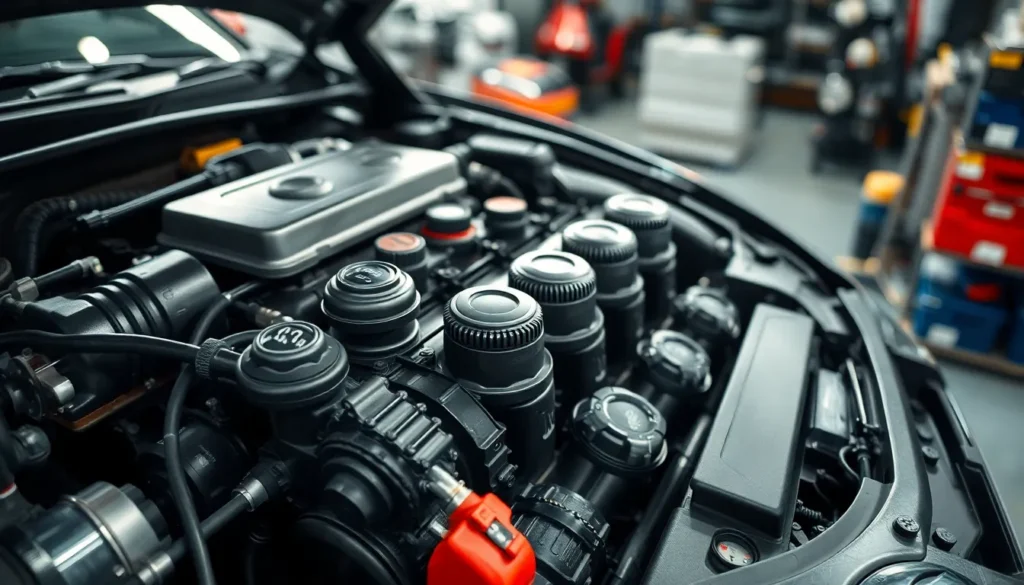
Traditional vehicles rely heavily on oil, playing a critical role in their operation.
Engine Components and Lubrication
Engine components depend on lubrication from oil to reduce friction and wear. Oil circulates throughout the engine, ensuring optimal performance and efficiency. High temperatures can lead to engine degradation without proper lubrication. Mechanical parts, such as pistons and crankshafts, require oil to function smoothly. Regular oil changes maintain these components, preventing sludge buildup and damage. Various oil types, such as synthetic or conventional, influence engine longevity. Conventional oil often comes from crude oil, while synthetic options typically originate from chemical processes.
Fuel and Exhaust Systems
Fuel and exhaust systems in traditional vehicles operate in conjunction with oil usage. Fuel acts as the primary energy source, while oil helps ensure combustion efficiency. Oil lubricates fuel injectors and pumps, allowing them to function effectively. Exhaust systems require careful management of emissions generated during fuel combustion. Inadequate oil quality can lead to increased emissions, harming air quality. Oil also contributes to the overall performance of catalytic converters, which reduce harmful pollutants. Regular maintenance ensures both fuel and exhaust systems perform optimally, promoting efficient vehicle operation.
Do Electric Vehicles Use Oil?
Electric vehicles do not rely on oil for propulsion. This distinction signifies a shift toward more sustainable technology, though it’s essential to explore how EVs engage with oil and lubricants.
Comparison with Internal Combustion Engines
Internal combustion engines depend heavily on oil for lubrication and operation. Engine components require oil to manage friction, allowing optimal performance and longevity. Conversely, electric vehicles utilize electric motors, which don’t necessitate oil for fuel. Traditional vehicles face risks like engine degradation without regular oil changes, leading to sludge buildup and performance issues. Electric vehicles mitigate these risks through design that emphasizes efficiency without the oil dependency seen in gasoline engines.
Maintenance and Lubrication Needs
Maintenance practices for electric vehicles differ significantly from traditional vehicles. Oil changes play a minor role in EV upkeep, while battery health checks and software updates gain focus. Specialized lubricants are crucial for components such as gear reducers and bearings, which enhance operational efficiency. Advanced synthetic oils serve in reducing friction and improving component lifespan. Regular maintenance also ensures tire pressure and brake systems are functioning efficiently. While oil isn’t a routine concern, attention to lubrication and technology remains vital in the longevity of electric vehicles.
Environmental Impact of Electric Vehicles
Electric vehicles (EVs) play a significant role in reducing overall oil consumption. Many countries aim to decrease their dependence on oil, and EVs help achieve this by providing an alternative form of transportation. Electric vehicles run on electricity rather than traditional fossil fuels, effectively minimizing oil use. Additionally, the need for engine lubricants remains far less than in gasoline-powered cars. Advanced synthetic oils reduce friction in EV components, maintaining efficiency while further lowering oil reliance.
Sustainability highlights the importance of EVs in the transition to renewable energy sources. Electric vehicles leverage electricity, which increasingly comes from solar, wind, and other renewable options. This shift contributes to lower carbon emissions in energy production. As the electric grid evolves to support cleaner sources, the overall environmental impact of driving an EV becomes even more favorable. EVs not only mitigate air pollution but also support a greener energy future, making them a key player in global sustainability efforts.
Electric vehicles represent a significant shift in the automotive landscape. While they don’t rely on oil for propulsion like traditional vehicles, they still utilize specialized lubricants and fluids for optimal performance. This nuanced relationship with oil highlights the evolving nature of vehicle maintenance.
As the world increasingly prioritizes sustainability, electric vehicles stand out for their minimal oil consumption and zero tailpipe emissions. They not only contribute to cleaner air but also align with global efforts to reduce dependence on fossil fuels. By embracing advanced technology and renewable energy sources, EVs are paving the way for a more sustainable future in transportation.


