

In a world where range anxiety can feel like the modern equivalent of fearing the dark, the longevity of electric vehicles (EVs) has become a hot topic. Just how long can these silent chariots of the future keep rolling before they need a serious nap? Spoiler alert: it’s longer than your last relationship.
With advancements in battery technology and a growing commitment to sustainability, EVs are proving they’re here to stay. But what’s the real lifespan of these eco-friendly wonders? Buckle up as we dive into the electrifying details of how long electric vehicles last, and why investing in one might just be the smartest decision since someone decided to put wheels on a suitcase.
Understanding Electric Vehicle Longevity
Electric vehicles (EVs) are designed for long-term use, reflecting advancements in technology and materials. Battery lifespan significantly affects overall vehicle longevity.
Battery Life Expectancy
Battery life expectancy for most electric vehicles ranges from 8 to 15 years, depending on various factors. Manufacturers often provide warranties for their batteries that cover 8 years or up to 100,000 miles, ensuring consumer confidence. Tesla, for instance, reports an 80% battery capacity retention after 300,000 to 500,000 miles. Improved battery chemistry contributes to extended life. Research shows that as technology advances, future batteries may achieve even greater longevity and efficiency.
Factors Affecting Battery Durability
Several factors impact battery durability, including temperature, charging habits, and driving conditions. Operating in extreme temperatures—either hot or cold—can degrade battery performance. Regularly using fast chargers generates heat, which may also affect battery health. Driving patterns that involve frequent acceleration and deceleration can result in increased energy consumption and stress on the battery. Consistently following proper charging guidelines enhances battery lifespan and maximizes efficiency. Regular maintenance checks further contribute to optimal battery performance over time.
Average Lifespan of Electric Vehicles
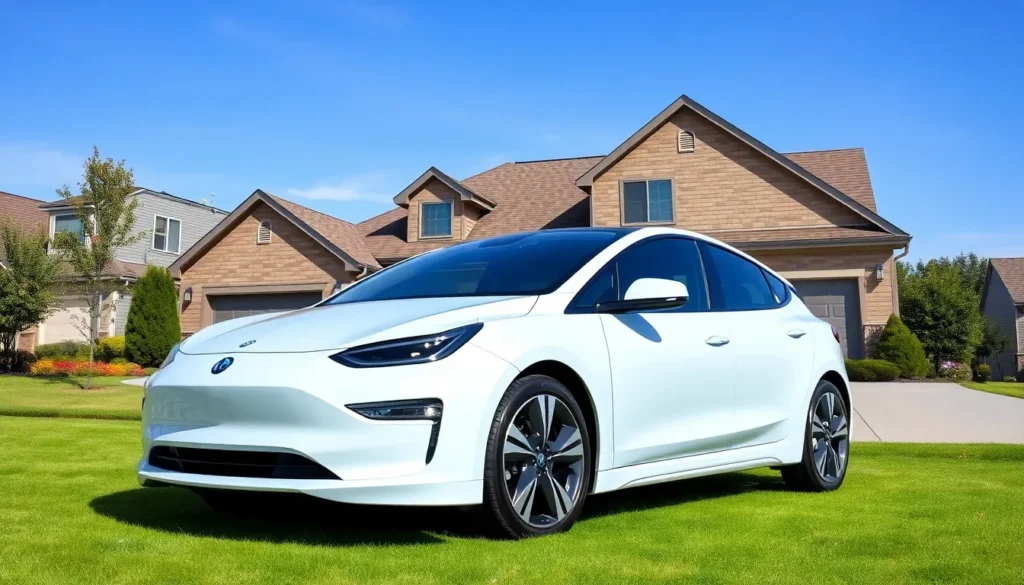
Electric vehicles (EVs) typically last between 8 to 15 years. Battery lifespan significantly influences overall vehicle longevity, with most manufacturers providing warranties for 8 years or up to 100,000 miles.
Comparison with Traditional Vehicles
Electric vehicles often outperform traditional vehicles in terms of longevity. Internal combustion engine vehicles generally last around 12 to 15 years, depending on factors like maintenance and usage. In contrast, EVs may retain their battery capacity up to 80% after extensive mileage. Tesla, for instance, provides data showing an 80% battery capacity after 300,000 to 500,000 miles. As manufacturers refine electric technologies, the gap in lifespan between EVs and traditional vehicles narrows, implying EVs could become increasingly preferable.
Real-World Usage Data
Real-world data shows that many electric vehicle owners experience long-term satisfaction. Studies suggest that EV owners often operate their vehicles for 10 years or more, frequently surpassing the average lifespan of traditional vehicles. With advancements in battery technology, improved charging methods, and increased awareness about maintenance, many electric vehicles are hitting milestones beyond the typical expectation. Monitoring data from various EV models reveals they are achieving fantastic longevity, boosting their appeal to consumers seeking reliable transportation.
Maintenance and Care for Electric Vehicles
Proper maintenance and care enhance the lifespan of electric vehicles. Attention to battery health and regular check-ups prove beneficial.
Recommended Practices
Follow manufacturer guidelines for routine inspections to ensure optimal performance. Regularly check tire pressure to promote efficient energy use. Cleaning the charging ports and connectors contributes to effective charging. Use regenerative braking to extend brake life and improve battery efficiency. Implement software updates when available, as they enhance vehicle performance and features. Staying informed about local charging options can optimize driving convenience.
Cost of Maintenance
Overall maintenance costs for electric vehicles tend to be lower than for traditional vehicles. Average annual maintenance for an EV ranges between $300 to $400, compared to $700 to $900 for internal combustion engine vehicles. Battery replacements remain a significant expense, with prices ranging from $5,000 to $16,000, depending on the model and warranty. Typically, manufacturers offer warranties covering battery performance for 8 years or 100,000 miles. Regular tire rotation and brake maintenance might incur additional costs, but they are often infrequent versus traditional vehicle upkeep.
Technological Advancements
Technological advancements play a crucial role in extending the lifespan of electric vehicles. Battery innovation leads the charge with significant improvements in capacity and efficiency.
Innovations in Battery Technology
Lithium-ion batteries have revolutionized energy storage for electric vehicles. Enhancements allow for greater energy densities, resulting in longer ranges and improved performance. Tesla’s promise of 80% battery capacity retention after extensive mileage highlights this trend. Solid-state batteries, in development, offer higher safety and longevity, potentially transforming the EV market. Manufacturers focus on optimizing battery management systems to enhance charge cycles and surveillance. These developments contribute directly to overall vehicle durability, ensuring reliable performance over time.
Future Trends in Electric Vehicle Longevity
Future trends indicate a shift towards sustained energy efficiency and longer-lasting components. With upgrades in software and in-vehicle technology, manufacturers aim to improve predictive maintenance and user experience. Predictions suggest that advancements like on-demand battery replacement will minimize costs and maximize usability. Enhanced recycling methods will also emerge to repurpose old batteries responsibly. As innovation continues, EVs become increasingly practical for long-term ownership, appealing to environmentally conscious consumers. Data shows the lifespan of electric vehicles is steadily eclipsing that of traditional vehicles, solidifying their status in the automotive industry.
Electric vehicles are proving to be a smart investment for those seeking longevity in their transportation. With advancements in battery technology and a focus on sustainability EVs are not only lasting longer but also providing a reliable alternative to traditional vehicles.
Proper maintenance and care can significantly enhance their lifespan making them a practical choice for environmentally conscious consumers. As technology continues to evolve the gap between EVs and conventional cars in terms of longevity is narrowing.
Ultimately the growing data on EV performance and satisfaction reinforces the notion that these vehicles are set to become a lasting presence on the roads.


