

In a world where speed often steals the spotlight, low speed electric vehicles (LSEVs) are the unsung heroes of eco-friendly transportation. Picture this: gliding through your neighborhood at a leisurely pace, waving at neighbors while saving the planet one slow ride at a time. These quirky little machines aren’t just for golf courses anymore; they’re making a splash in urban settings, proving that sometimes, less really is more.
Overview of Low Speed Electric Vehicles
Low speed electric vehicles (LSEVs) serve as eco-friendly transportation solutions. Designed for short-distance travel, they typically operate at speeds of 20 to 25 miles per hour. Users find them ideal for neighborhood commutes and short errands.
LSEVs come in various models, including electric bikes, scooters, and cars. Many people enjoy the convenience of using LSEVs for local travel without the need for traditional gas-powered vehicles. Their electric motors reduce carbon emissions, promoting a cleaner environment.
Safety features often include seat belts, headlights, and turn signals. Some LSEVs also come equipped with regenerative braking systems that enhance energy efficiency. Manufacturers are increasingly focusing on producing these vehicles with durable materials for longevity.
Regulations for these vehicles vary by region, impacting where they can be legally operated. Many urban areas allow LSEVs on local streets, creating designated lanes for their use. Growth in this sector points to shifting consumer preferences toward sustainable modes of travel.
The trend towards car-sharing programs includes LSEVs, further integrating them into urban mobility solutions. Communities benefit from reduced traffic congestion and lower pollution levels as adoption increases. As cities adapt to sustainability, LSEVs play an essential part in future transportation systems.
Benefits of Low Speed Electric Vehicles
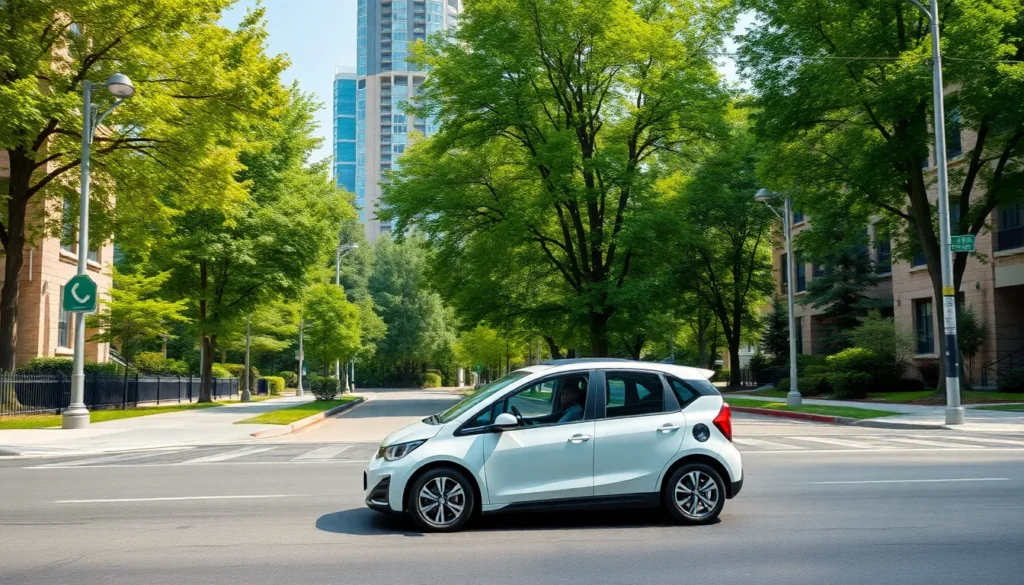
Low speed electric vehicles (LSEVs) offer significant advantages for users and communities. These benefits encompass environmental impact, cost efficiency, and more.
Environmental Impact
LSEVs contribute to reduced greenhouse gas emissions thanks to their electric motors. The transition from gas-powered vehicles to LSEVs lowers carbon footprints for both individuals and communities. Electric-powered options produce zero tailpipe emissions, enhancing air quality in urban areas. Communities adopting LSEVs experience decreased noise pollution, creating quieter environments. Research shows that increasing the use of LSEVs leads to a cleaner atmosphere, fostering health benefits for residents. By promoting eco-friendly travel, cities support sustainability goals while reducing reliance on fossil fuels.
Cost Efficiency
Purchasing and operating LSEVs can be more affordable than traditional vehicles. Reduced fuel costs offer significant financial savings, since charging an electric vehicle typically costs less than purchasing gasoline. Maintenance tends to be simpler, with fewer moving parts compared to conventional vehicles. Insurance premiums for LSEVs generally present lower rates, contributing to overall cost reductions. Additionally, tax incentives may apply, making these vehicles even more appealing. Individuals benefit from economic savings while enjoying improved access to local transportation options. Overall, embracing LSEVs aligns financial advantages with sustainable mobility choices.
Types of Low Speed Electric Vehicles
Low speed electric vehicles (LSEVs) encompass several types, each designed for specific uses in urban and community settings.
Neighborhood Electric Vehicles (NEVs)
Neighborhood electric vehicles typically have a maximum speed of 25 miles per hour. These compact four-wheeled cars cater to short trips around communities and local amenities. They often include basic safety features like seat belts, lights, and sometimes even advanced systems for enhanced safety. NEVs provide an environmentally friendly transport option that helps reduce urban traffic congestion and offers a unique solution for short-distance travel. Manufacturers commonly design them to be user-friendly and accessible, allowing residents to navigate neighborhoods with ease.
Electric Golf Carts
Electric golf carts are popular in both recreational and residential spaces. Initially designed for golf course transport, these vehicles serve wider purposes in gated communities and campuses. Most golf carts operate at speeds of 15 to 20 miles per hour. They feature comfortable seating for multiple passengers, ample storage space, and often include essential safety features. Their electric motors result in zero emissions, making them an eco-friendly choice for both leisure and practical uses. Many owners utilize golf carts for errands, making them versatile and convenient for local travel.
E-Bikes and E-Scooters
E-bikes and e-scooters have become essential components of urban mobility. Riders can reach speeds between 15 and 20 miles per hour, allowing for quick commutes and easy maneuverability in bustling areas. Lightweight and portable, these vehicles can easily be parked or stored when not in use. E-bikes often come equipped with a pedal-assist feature, encouraging riders to engage in physical activity while enjoying a boost from the electric motor. Meanwhile, e-scooters provide a hassle-free option for those looking to cover short distances quickly. Both forms of transport contribute to reducing emissions while offering an enjoyable riding experience.
Regulations Surrounding Low Speed Electric Vehicles
Regulations regarding low speed electric vehicles (LSEVs) vary significantly across different jurisdictions. Many states classify LSEVs separately from traditional vehicles, allowing flexibility in usage. In general, LSEVs are often allowed on roads with a speed limit of 35 miles per hour or less. Cities increasingly implement local ordinances that permit LSEVs on residential streets, promoting their acceptance in urban environments.
Safety standards govern the manufacturing and operation of LSEVs. Required features may include seat belts, functioning lights, and rear-view mirrors. Some states mandate registration and insurance for LSEVs, aligning them more closely with conventional vehicles. Local governments provide guidelines about where to drive these vehicles, often designating specific lanes and pathways for use.
In response to the growing popularity of LSEVs, several areas are developing infrastructure to accommodate them. Dedicated parking spaces and charging stations are becoming common in urban settings. Public awareness campaigns seek to educate residents about LSEVs and the rules associated with their use, enhancing safety and adherence to regulations.
Permitting processes for LSEVs also vary widely. Some regions require permits specifically for certain types of vehicles, like electric golf carts or e-scooters. Understanding each area’s regulations is crucial for users. Compliance not only improves safety but also ensures that their benefits can be fully realized within the community.
Overall, as regulations evolve, they increasingly reflect the changing landscape of urban mobility. Adapting laws to include LSEVs promotes their integration, facilitating sustainable transportation solutions.
Low speed electric vehicles are transforming urban mobility by offering a sustainable and efficient alternative to traditional transportation. Their ability to navigate neighborhoods safely while minimizing environmental impact makes them an attractive choice for eco-conscious individuals. As cities adapt to accommodate LSEVs through supportive infrastructure and regulations, their integration into daily life becomes increasingly seamless.
The benefits extend beyond personal convenience; they contribute to cleaner air and reduced traffic congestion. By embracing LSEVs, communities can enhance their quality of life while promoting a greener future. As awareness and acceptance grow, LSEVs are set to play a pivotal role in shaping the next generation of urban transportation solutions.


