

In a world where technology seems to be evolving faster than a caffeinated squirrel, motor drones have taken flight as the latest marvel of innovation. These buzzing contraptions aren’t just for delivering snacks or capturing breathtaking aerial views; they’re transforming industries and redefining how we think about transportation and logistics. Imagine a future where your package arrives before you can even say “where’s my stuff?”
Motor drones are ushering in a new era of efficiency, making it easier to navigate the skies while dodging traffic jams and parking tickets. With their ability to zip through the air like a superhero in a hurry, these drones are not just cool gadgets—they’re revolutionizing how businesses operate and how we interact with our environment. Get ready to explore the fascinating world of motor drones and discover why they’re the future of flight.
Overview Of Motor Drones
Motor drones represent a significant advancement in aerial technology. These unmanned aerial vehicles utilize powerful motors for flight, allowing them to carry various payloads over considerable distances. Primarily, they excel in applications such as deliveries, photography, and surveillance, showcasing their versatility.
Specifications of motor drones include different sizes and configurations, making them suitable for specific tasks. For example, smaller models often deliver lightweight packages, while larger drones can transport heavier items. Battery life typically ranges from 20 to 40 minutes, depending on the model and payload weight.
Motor drones incorporate cutting-edge technology, enhancing their operational capabilities. GPS navigation ensures precise flight paths, while obstacle detection systems prevent collisions. Many models employ advanced sensors for aerial photography, facilitating high-resolution imagery from unique perspectives.
Current market trends indicate a growing interest in motor drones within various industries. E-commerce companies increasingly adopt them to streamline delivery processes, aiming to reduce delivery times. Similarly, film studios leverage drones to capture stunning aerial shots that were once difficult or impossible to achieve.
Regulations regarding motor drones are evolving as their usage expands. Authorities are developing frameworks to ensure safe operations in both urban and rural environments. Compliance with these regulations is essential for commercial operators, emphasizing the importance of staying informed about local laws.
Motor drones are reshaping the logistics landscape and transforming how goods and services are delivered. As this technology continues to advance, their impact on efficiency and accessibility in various sectors becomes increasingly evident.
Key Features Of Motor Drones
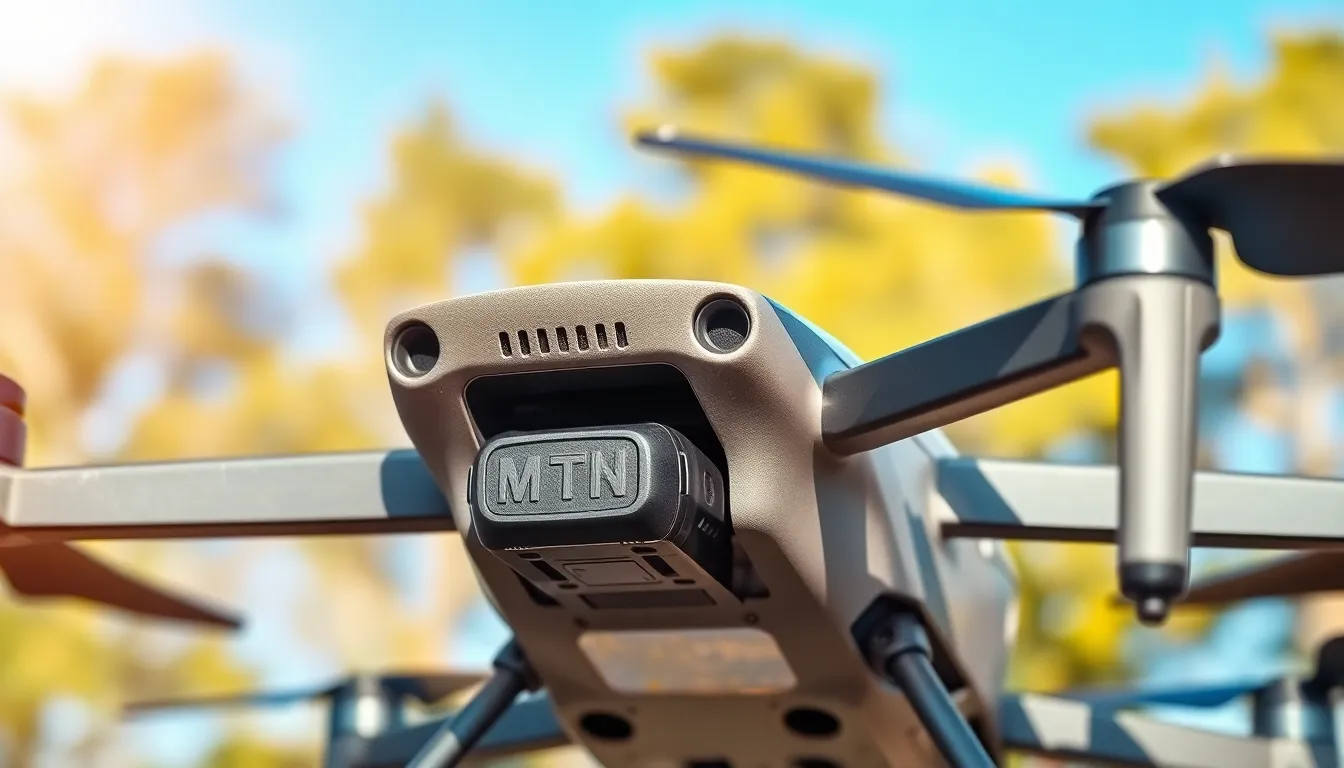
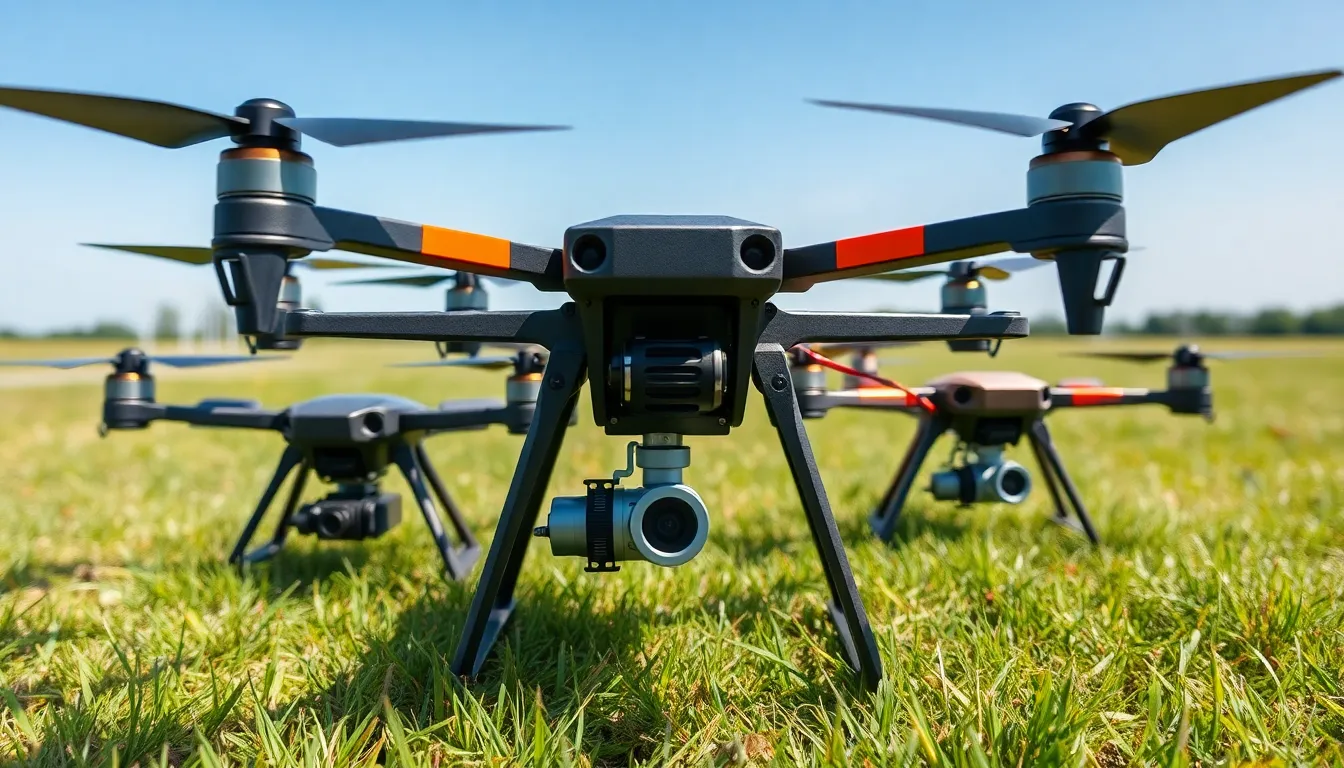
Motor drones showcase various innovative features that enhance their functionality and overall performance. These features range from motor types to the advantages of electric motors.
Different Types Of Motors
Motor drones typically utilize three main types of motors: brushed, brushless, and stepper motors. Brushed motors offer simplicity and cost-effectiveness, making them suitable for basic applications. Brushless motors, however, provide higher efficiency and longer lifespans, delivering greater reliability for demanding tasks. Stepper motors allow precise control of movement, ensuring accurate positioning, particularly useful in applications involving aerial photography and surveying. Each motor type contributes distinct benefits tailored to specific drone functions, showcasing the versatility of motor drones in diverse settings.
Advantages Of Electric Motors
Electric motors serve as the backbone of many motor drones, providing several advantages. Efficiency characterizes electric motors, as they convert a higher percentage of energy into thrust compared to combustion engines. These motors also produce less noise, benefiting operations in noise-sensitive environments. Electric motors typically require less maintenance, given their fewer moving parts, which contributes to lower operational costs. Battery technology continues to improve, providing longer flight times and reduced charging periods. These factors make electric motors a popular choice for enhancing drone functionality and performance across various industries.
Applications Of Motor Drones
Motor drones play a vital role across multiple sectors, proving their versatility and efficiency. Their applications span commercial to recreational uses, showcasing their impact.
Commercial Uses
Drones significantly enhance logistics, providing fast and efficient delivery services. Retail companies leverage motor drones for last-mile deliveries, ensuring packages reach customers quickly and conveniently. Agriculture benefits from drones for precision farming, monitoring crop health, and applying fertilizers. In construction, drones survey sites, allowing for accurate mapping and real-time progress tracking. Film production utilizes motor drones for stunning aerial shots, improving cinematography. All these applications illustrate how motor drones optimize operational workflows in various industries.
Recreational Uses
Motor drones serve hobbyists and enthusiasts looking for fun and adventure. Aerial photography enthusiasts capture breathtaking landscapes from unique perspectives. Racing events featuring drones attract a vibrant community, fostering competition and innovation. Recreational users find joy in flying drones, developing pilot skills and exploring remote locations. These drones also support educational activities, helping students learn about technology and engineering. Various applications in recreation demonstrate motor drones’ ability to engage and inspire people.
Challenges In Motor Drone Technology
Motor drone technology faces various challenges that hinder its full potential. Regulatory compliance proves to be a significant barrier. With evolving laws governing airspace usage, obtaining necessary permits remains complex for commercial operators.
Safety concerns also present challenges in the deployment of motor drones. Avoiding collisions with other aircraft and ensuring safe landings are critical factors that require advanced obstacle detection systems. Technical failures can lead to accidents, making reliability a priority.
Additionally, battery life poses limitations. Many drones experience a flight time of 20 to 40 minutes before needing a recharge, which affects operational efficiency. Innovations in battery technology are necessary to extend flight durations.
Environmental conditions further complicate motor drone operations. Wind, rain, and extreme temperatures can adversely impact flight stability and control. Developing drones with enhanced resilience to these factors ensures consistent performance.
Market scalability represents another challenge for motor drones. As demand grows, manufacturers must scale production while maintaining quality and adhering to safety standards. Balancing these factors can strain resources and affect pricing.
Technological advancements must keep pace with increasing demand. As industries adopt motor drones, solutions for data processing and real-time communication become essential. Addressing these technological gaps ensures efficient operations and integration into existing systems.
Public perception impacts the acceptance of motor drones as well. Concerns about privacy and noise pollution can influence community support. Engaging with the public to address these issues fosters positive relationships and enhances understanding.
All these challenges reinforce the need for ongoing research and development in motor drone technology. Addressing these complexities will drive improvements and further establish motor drones within various sectors.
Future Trends In Motor Drones
Future trends in motor drones show an upward trajectory in their technological advancements. Innovations such as AI integration and improved navigation systems are driving efficiency gains. Increased autonomy in drone operations allows for more complex delivery routes, enhancing logistics effectiveness.
Battery technology continuing to improve will enable longer flight times, potentially reaching up to 60 minutes. Lightweight materials used in drone manufacturing are also becoming prominent, contributing to increased payload capacities and overall performance. As manufacturers optimize designs, the scalability of production rises, making drones more accessible.
Market analysis reveals an expanding range of applications beyond e-commerce, including healthcare delivery and emergency response services. Urban air mobility is gaining traction, with cities exploring motor drones for passenger transport. Security applications are also emerging, utilizing drones for surveillance and infrastructure monitoring.
Regulatory frameworks are evolving to meet the needs of this growing industry. Implementation of unmanned traffic management systems aims to minimize airspace congestion while ensuring safety. As public acceptance increases, companies must address privacy concerns and noise pollution through better technology.
Collaborations between tech firms and governmental agencies will drive compliance standards. Research into eco-friendly drone designs is prioritizing the reduction of environmental impacts. As the industry matures, competition will likely foster innovation, leading to breakthroughs in drone capabilities.
The future of motor drones promises transformative impacts across various sectors. Their continuous evolution incorporates cutting-edge technology, optimizing both operational efficiency and user experience.


